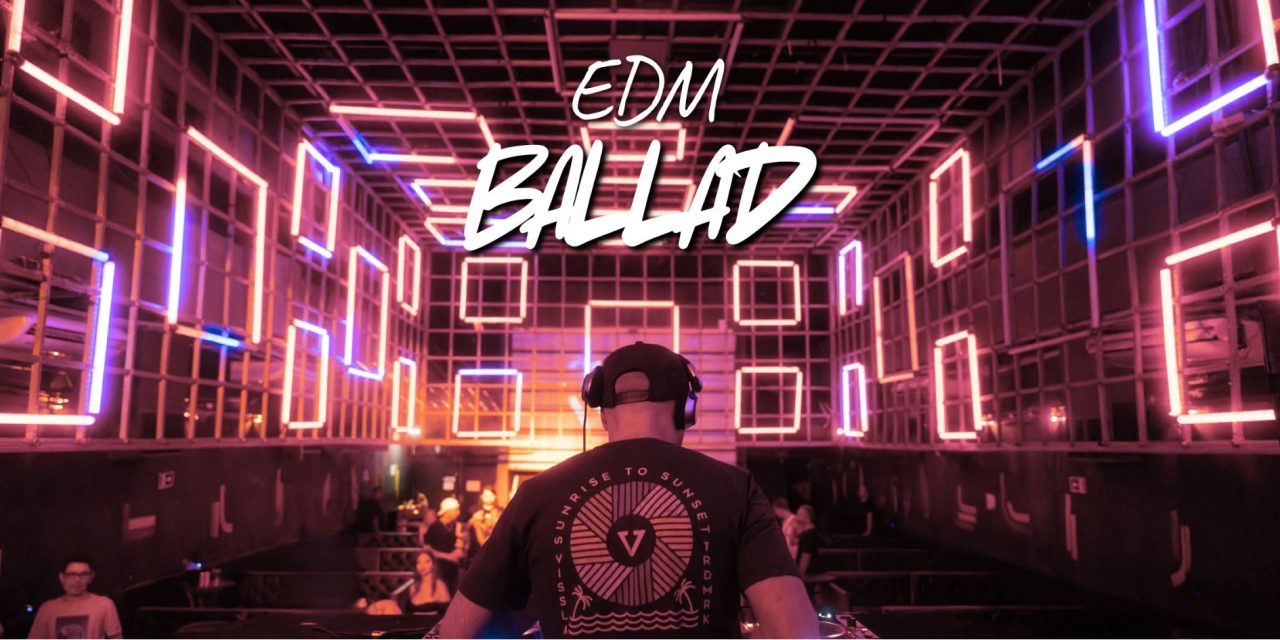
You arrive at a festival ready for the big drops, but then a softer track catches you off guard. The crowd slows down, someone sings along, and suddenly, the moment feels more personal than expected.
That contrast is part of what makes emotional electronic music compelling. EDM ballads can create space for vulnerability, melodic storytelling, and connection without abandoning the energy of a live performance.
As artists experiment with live instrumentation, immersive technology, and cross-genre collaborations, festival audiences may encounter more ways to experience emotionally driven electronic music.
Emerging Trends and Innovations
The future of EDM ballads is not limited to bigger drops or more elaborate stage effects. Artists are also exploring how live instruments, vocal performances, and atmospheric arrangements can add depth to electronic productions.
Live Instrumentation and Electronic Production
Live instrumentation can introduce a different texture to an electronic performance. Guitar, piano, strings, and live percussion may add movement and variation to arrangements built around programmed sounds.
However, incorporating musicians does not automatically make a performance more emotional. The instruments need to serve the song’s structure, atmosphere, and overall direction.
For EDM ballads, live musicians can support quieter passages, reinforce melodic hooks, or create a more dynamic transition into an energetic section. The effectiveness depends on the arrangement and the relationship between the performers.
Flume offers a useful example of an artist associated with experimental electronic production and unconventional sound design. However, the original claim that he has recently begun collaborating with live musicians to create richer festival experiences requires specific supporting evidence and should not be presented as an established recent trend.
Immersive Technology and Audience Experience
Technology is creating new ways for audiences to engage with electronic music. Augmented reality, virtual reality, immersive visuals, and interactive digital environments each offer different possibilities.
These experiences should not be treated as interchangeable. Augmented reality adds digital elements to the viewer’s surroundings, while virtual reality typically places users inside a digitally created environment.
DJ Mag has covered developments involving AR and VR in festival experiences, but a specific claim about virtual reality stages at its Top 100 parties requires verification for the particular event. It is therefore more accurate to discuss immersive technology as an emerging possibility rather than attribute an unconfirmed stage format to DJ Mag.
For soulful electronic music, immersive visuals could complement melodic builds, ambient textures, and emotional transitions. The technology works best when it supports the music instead of distracting audiences from it.
Potential for Cross-Genre Collaborations
Cross-genre collaborations give EDM producers opportunities to explore different vocal styles, rhythms, instruments, and songwriting approaches. These partnerships can also introduce artists to audiences beyond their usual musical communities.
The results depend on the creative relationship between the collaborators. A successful collaboration should feel like a genuine combination of musical ideas, rather than two unrelated styles placed on top of each other.
Calvin Harris and Dua Lipa: One Kiss
Calvin Harris and Dua Lipa’s One Kiss provides an example of electronic production meeting pop performance. Released in 2018, the track combines dance-pop and house influences with Dua Lipa’s distinctive vocals.
The song reached number one on the UK Singles Chart and spent eight weeks at the top. It also won British Single of the Year at the 2019 Brit Awards.
Although One Kiss is not an EDM ballad, it demonstrates how melodic hooks, vocal identity, and dance-oriented production can work together. Its success also shows how a track can connect with listeners from different backgrounds.
For EDM ballad producers, the useful lesson is not to copy the song’s formula. Instead, consider how a strong vocal performance and memorable melody can remain central within an electronic arrangement.
Marshmello and Bastille: Happier
Marshmello’s collaboration with Bastille on Happier offers another example of electronic production combined with a band’s musical identity.
Released in 2018, the track features Bastille vocalist Dan Smith and blends electronic elements with pop and alternative influences. It reached number two on both the UK Singles Chart and the Billboard Hot 100.
The song places considerable emphasis on its vocal narrative and emotional message. Its electronic production supports the songwriting rather than relying only on instrumental intensity.
This approach is relevant to EDM ballads because emotional impact can come from the relationship between lyrics, melody, vocal delivery, and arrangement. A track does not need to become musically overwhelming to leave a strong impression.
Conclusion
The future of EDM ballads at festivals may involve more live instrumentation, immersive experiences, and collaborations across musical genres. These developments offer artists new ways to shape emotional performances and reach different audiences.
Examples such as One Kiss and Happier demonstrate how electronic production can work alongside strong vocal identities and accessible songwriting. They also show that emotional electronic music can take different forms.
For Soulful EDM, the opportunity lies in preserving the emotional core of a track while exploring new sounds, performance formats, and creative partnerships. The technology may change, but the music still needs something meaningful to say.
Ever heard an EDM ballad that made you forget you were surrounded by thousands of people? DLK Soulful EDM looks at how electronic music’s softer side is finding room on festival stages, where vulnerable lyrics, soaring melodies, and massive production meet.
