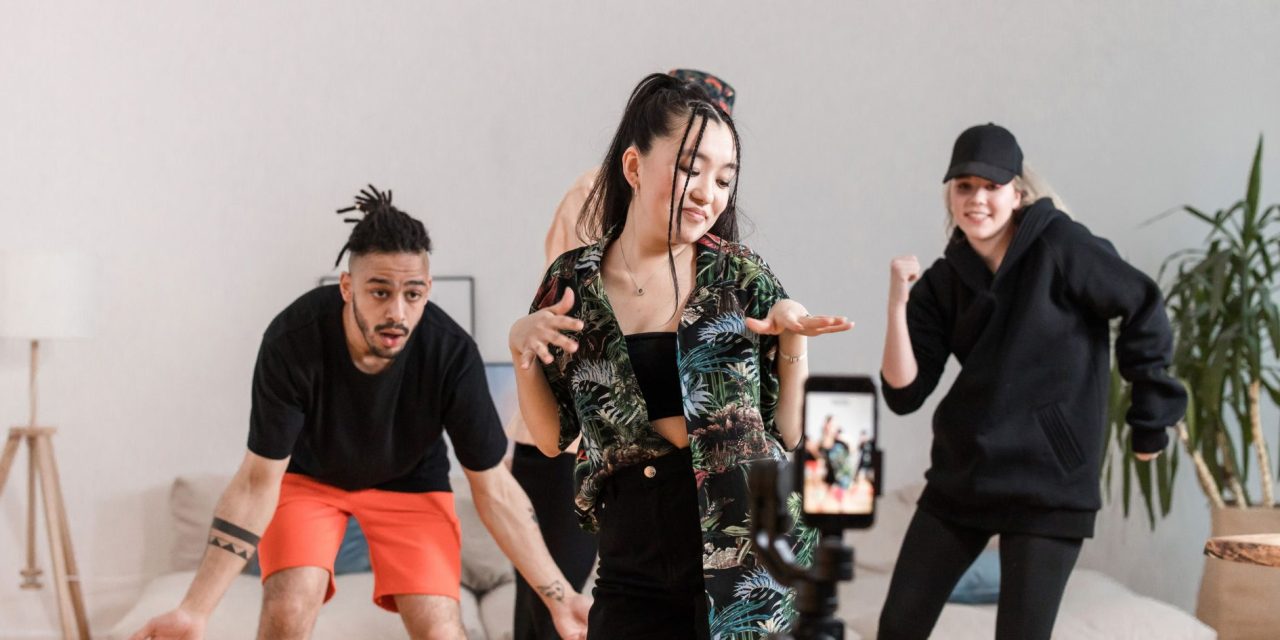
A dance clip can start in someone’s bedroom and end up playing on thousands of screens. But can online attention translate into a place on a festival stage?
Social media has changed how dance artists build audiences, attract sponsorships, and connect with live events. Viral challenges and digital communities can create opportunities, although follower numbers alone do not guarantee bookings or ticket sales.
These artists’ journeys reveal how online choreography, audience engagement, and festival performance increasingly overlap.
From Bedroom Videos to Festival Headliners
Many viral dancers begin with bedroom videos, freestyle sessions, and dance challenges. By joining popular trends and using relevant hashtags, they can attract viewers and build online communities.
Platforms such as TikTok, Instagram, and YouTube allow creators to share choreography with audiences beyond their immediate circles. Consistent content can also lead to sponsorship opportunities, collaborations, and live performance invitations.
However, the transition from digital popularity to festival stages is not automatic. Promoters may consider an artist’s performance skills, audience relevance, professionalism, and ability to contribute to the event experience.
The original examples of Niana Guerrero, Agustin Etchebarne, and Michael Le include specific follower counts, booking fees, and festival appearances. The broader pattern remains clear: digital creators can use online visibility to pursue opportunities in live entertainment.
Key Success Metrics
Follower growth and engagement can help creators and promoters understand audience behaviour. However, there is no universal conversion rate that guarantees festival bookings, ticket sales, or specific performance fees.
Metrics should be assessed alongside audience location, content quality, campaign goals, and actual purchasing behaviour.
| Metric | Benchmark | Example Artist | Potential Impact |
| Engagement rate | Requires context | Niana Guerrero | Indicates audience interaction |
| Save/share ratio | Varies by platform | Agustin Etchebarne | Shows content value and sharing behaviour |
| Booking fee | Depends on negotiation | Michael Le | Reflects profile, event, and performance requirements |
| Ticket conversion | Requires tracked campaign data | All three | Helps measure promotional effectiveness |
Promoters should avoid treating follower numbers as direct evidence of ticket revenue. A creator may have millions of followers, yet only a small portion may live near the festival or want to attend.
Tracking multi-platform growth, link clicks, audience location, and ticket purchases offers a more realistic picture of campaign performance.
Creators can also explore platforms such as Twitch and emerging virtual festival spaces. These channels may expand their reach, but authenticity and consistent audience engagement remain essential.
Conclusion
Viral dance artists are changing how audiences discover music, participate in trends, and connect with live entertainment. Their online visibility can create new routes into sponsorships, collaborations, and festival appearances.
The move from digital content to live performance requires more than impressive follower numbers. Strong choreography, stage presence, and an understanding of audience expectations help creators make that transition.
As EDM festivals continue blending music, movement, and visual production, digital dance culture may play a growing role in shaping the experience.
Ever seen a dance trend take over your feed and wondered how it would sound with a festival-sized bassline behind it? DLK Soulful EDM explores the artists, sounds, and creative shifts turning online energy into unforgettable electronic music experiences.
