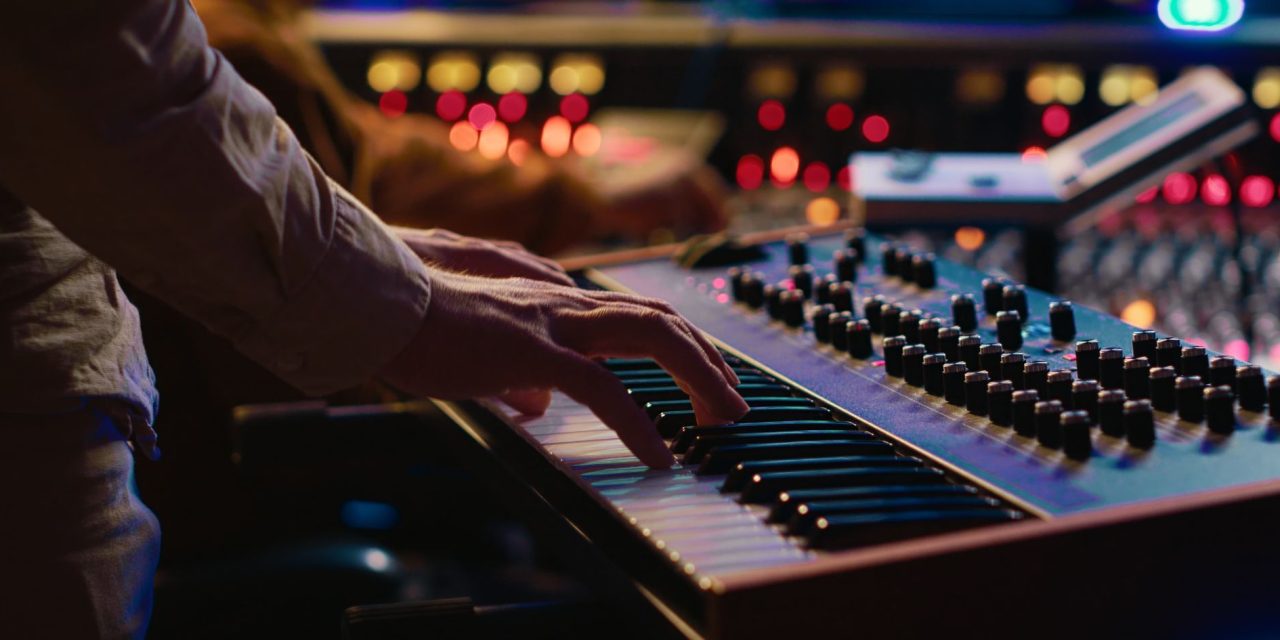
Some of the most memorable dance tracks use surprisingly simple chords. A familiar progression can stir emotions without making a song feel predictable. In soulful EDM, that balance is what makes certain melodies linger long after the music stops.
The vi–IV–I–V progression (Am–F–C–G) demonstrates how piano chords can create an emotional journey. Each chord flows naturally into the next, giving melodies room to breathe while supporting the builds and breakdowns that define the genre. Whether played on a grand piano or an electric piano, this sequence brings warmth and familiarity to a track.
Building Emotional Connections Through Simple Chord Progressions
The beauty of simple chord progressions lies in how effortlessly they connect with listeners. The vi–IV–I–V sequence creates a natural movement between tension and resolution. This makes it suitable for intimate piano arrangements and energetic dance-floor anthems alike.
Producers can introduce minor seventh and major ninth chords to add warmth and emotional depth. These extensions enrich familiar harmonies without making them feel overly complicated. Suspended chords offer another creative option, building anticipation before resolving into the next harmony.
The choice of instrument also shapes the experience. A grand piano delivers expressive dynamics, while an electric piano creates a softer, more intimate atmosphere. Using the sustain pedal allows notes to blend into a rich texture that can inspire lush synth pads. This flexibility helps familiar progressions feel fresh across acoustic interpretations and festival-ready remixes.
Creating Depth Through Layering and Modern Sound Design
In soulful EDM, a full arrangement doesn’t necessarily need more volume or countless musical elements. Thoughtful layering creates warmth and depth while keeping the chords clear. Combining an upright piano, vintage Rhodes, and slightly detuned grand piano introduces complementary textures.
Each instrument contributes something distinct. The upright piano provides the harmonic foundation, while the Rhodes adds richness through its unmistakable electric tone. A detuned grand piano introduces gentle movement, and its brighter upper notes bring sparkle to the arrangement. Balancing these textures helps prevent the mix from becoming muddy or overwhelming.
Sound design offers even more ways to transform familiar harmonies. Gradually filtering a Cmaj9 chord can create an evolving atmospheric bed, while reverb gives the notes space to linger. Stereo effects can widen the piano’s presence, making the arrangement feel more immersive without sacrificing its natural warmth.
Rhythm matters just as much as texture. Sidechain compression allows piano chords to respond to the kick drum, creating the familiar pulse of dance music. A muted, lower-register piano layer can also add subtle weight. Meanwhile, a delayed piano signal introduces movement between the main notes. These techniques preserve the emotional character of the chords while giving the track a contemporary feel.
Bringing Classic Chords Into Modern Soundscapes
Modern production techniques work best when they enhance the musical idea rather than distract from it. A carefully filtered piano progression can gradually open up during a build, creating anticipation before the full arrangement returns. Reverb and delay can extend that feeling, surrounding listeners with atmosphere and space.
Layering different piano textures also gives producers room to experiment. A warm Rhodes sound can soften a bright piano melody, while subtle detuning introduces an organic quality. Even small changes in note placement or rhythmic emphasis can make a familiar progression feel more personal.
The goal is to let each element serve the track’s emotional direction. Instead of adding effects simply because they’re available, producers can focus on how each sound supports the melody, groove, and overall mood. This approach keeps harmonic layering expressive while preserving the timeless quality of classic piano chords.
Conclusion
Simple chord progressions have a lasting place in soulful EDM because they make emotional expression feel effortless. A sequence like vi–IV–I–V offers a familiar foundation, but its possibilities extend far beyond the original notes. Different instruments, chord extensions, and thoughtful production choices can turn that foundation into something deeply personal.
The most engaging tracks often balance familiarity with just enough surprise. Whether the music calls for a gentle piano introduction or a powerful dance-floor breakdown, the right harmony helps listeners connect with the moment. Sometimes, a handful of well-chosen chords can say more than an entire arrangement.
Why do some four-chord loops have you nodding along before you’ve even figured out what’s happening?
DLK Soulful EDM gets into the simple musical choices that turn familiar chords into the kind of groove you don’t want to lose.
