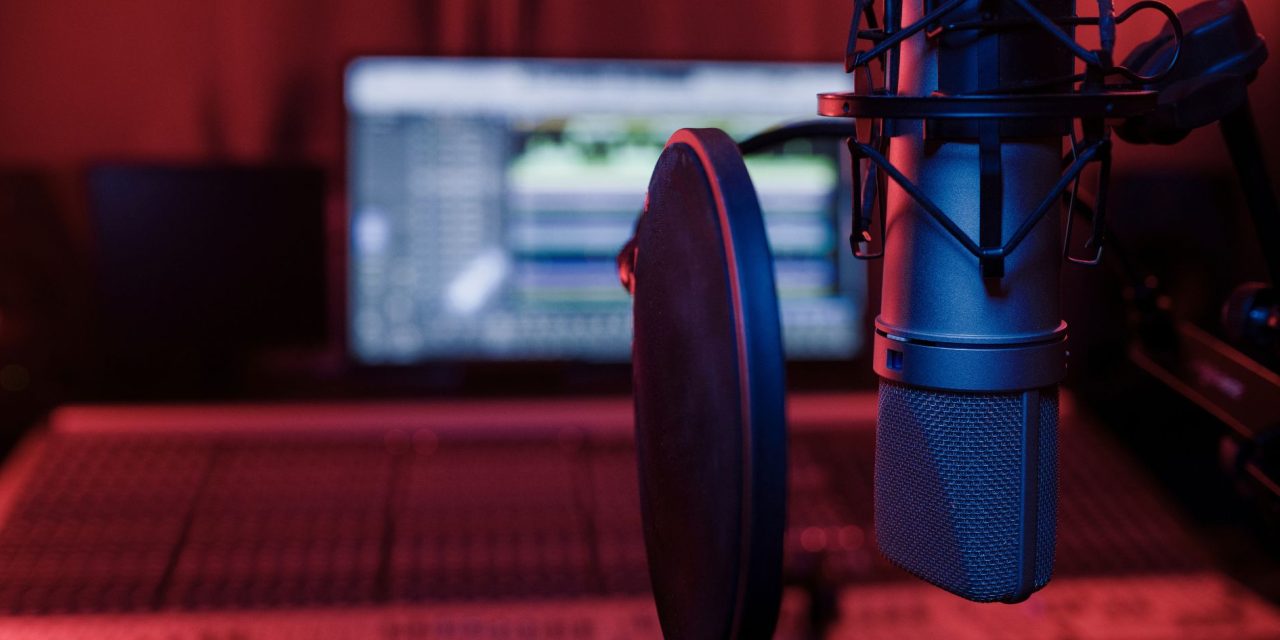
In soulful EDM, a powerful vocal can make a track feel intimate, uplifting, or deeply reflective. But when every word carries the same wash of effects, the lyrics can lose their impact. Leave too much space between phrases, and the arrangement may miss an opportunity to build emotion. A vocal delay throw helps solve both problems by making selected words echo at just the right moment.
The technique is simple, but using it well takes more than choosing a delay preset. You need to know which words deserve emphasis, how the repeats should sound, and where they fit within the groove. Here’s how to use vocal delay throws to give soulful EDM vocals more depth without sacrificing clarity.
Understand the Difference Between a Delay Throw and Static Delay
Before automating an effect, it helps to understand why a throw works particularly well in soulful EDM.
A static delay runs continuously, creating a consistent layer of echoes behind the lead vocal. This can add atmosphere, but repeated syllables may overlap with new lyrics and mask the dry signal. When warm chords, bass, percussion, and vocal harmonies fill the arrangement, that buildup can make the lead harder to follow.
A delay throw takes a more selective approach. The effect stays quiet through most of a phrase, then briefly rises on a chosen word. Its repeats continue after the original word ends, filling the gap before the next lyric or instrumental passage.
For example, imagine a singer ending a reflective line with the word “tonight.” A single dotted eighth note delay can repeat that word against the beat, allowing its emotion to linger without obscuring the next line.
In soulful EDM, this creates opportunities to highlight meaningful lyrics, deepen a pre-chorus, or connect a vocal phrase to a melodic drop.
Technically, the effect usually involves sending the lead vocal to a delay plugin on a return track or auxiliary track. Automation controls when the send rises and falls.
Consider where the throw will serve the arrangement:
- In a verse: Echo the final word of selected lines to give intimate lyrics room to settle.
- In a pre-chorus or build: Use more frequent throws to increase anticipation as the chords and percussion gather momentum.
- Before a drop: Let a longer echo carry the final syllable into the instrumental, linking the vocal’s emotion to the release that follows.
The goal is to make the echo feel intentional. The listener should hear the lyric clearly, feel its emotional afterglow, and remain connected to the groove.
Choose a Delay Character That Matches the Emotion
Once you know where the throw belongs, choose a delay that supports the feeling of that moment. Soulful EDM brings together expressive vocals, melodic movement, and dancefloor rhythm, so the effect should complement the song rather than compete with it.
Tape delay adds warmth, saturation, and subtle pitch fluctuations known as wow and flutter. These qualities can give repeats a textured, slightly imperfect character that suits nostalgic melodies and expressive vocal performances.
Analog delay generally produces darker, rounder repeats. It can work well when you want the echo to sit behind an intimate vocal instead of drawing attention away from the lyrics.
Digital delay offers clean, precise repeats, making it useful when rhythmic definition matters. Ping-pong delay alternates repeats between the left and right channels, creating stereo movement that can open up a melodic arrangement.
None of these options is automatically best for soulful EDM. Choose according to the emotional role of the vocal: warmth for texture, darker repeats for intimacy, or stereo movement for a wider sense of space.
Use Tape, Analog, or Ping-Pong Delay for Melodic Drops
A melodic drop often changes the way a vocal functions. The singer may fall silent as the instrumental takes over, leaving the final lyric to carry the emotional connection between the build and the release. A well-placed throw can make that transition feel more complete.
- Tape delay for warmth: Add subtle wow and flutter to give the repeat movement. A high-pass filter around 200 Hz can help reduce low-frequency buildup, but adjust the cutoff to suit the vocal.
- Analog delay for intimacy: Keep the repeats darker and softer than the original vocal. This allows the lead to remain clear while its echo lingers underneath the drop.
- Ping-pong delay for width: Try quarter-note sync with roughly 30% feedback as a starting point. Adjust the feedback and return level so the repeats add movement without competing with the melody or percussion.
Check the result in both stereo and mono, especially when using ping-pong delay. A throw that sounds expansive through headphones may lose impact or interact unpredictably when summed to mono.
The best setting is the one that supports the drop’s emotional direction. A restrained echo can preserve intimacy, while a wider throw can help create a stronger sense of release.
Sync the Delay to the Groove
Delay timing affects how a vocal throw interacts with the drums and melodic phrasing. The right subdivision can make a repeat bounce with the rhythm, leave space around a lyric, or introduce a soulful shuffle.
Start by listening to the track’s groove and identifying where the vocal phrase ends. Then choose a delay time that fills the available space without crowding the next line.
- Dotted eighth note (1/8D): Creates a syncopated, bouncing feel. Use it when a vocal needs rhythmic movement during an energetic build or melodic drop.
- Quarter note (1/4): Leaves more space between repeats. It works well for reflective lyrics, slower passages, and arrangements where the vocal needs room to breathe.
- Triplet delay (1/8T or 1/4T): Adds a rolling, shuffled character. It suits grooves with a triplet feel, helping the echoes move naturally with the rhythm.
These values are starting points, not rules. A dotted eighth can sound busy in one arrangement and perfectly placed in another. Listen to how the repeats interact with the singer’s phrasing, the bassline, and the percussion.
If the track changes tempo, check that the delay follows it. Tempo-synced delays usually track the project tempo automatically, while other setups may require manual adjustment or automation.
In soulful EDM, the aim is to make the echo feel connected to the groove. It should support the music’s movement while preserving the vocal’s emotional weight.
Automate the Throw Without Losing Vocal Clarity
Choosing the delay is only part of the process. The timing and level of the send determine whether the effect feels like a natural extension of the performance or an unnecessary distraction.
A practical starting workflow is:
- Choose the word. Find a lyric that deserves emphasis, such as the final word of a reflective line or the last syllable before a drop.
- Keep the send low during the phrase. This allows the original vocal to remain clear while the singer delivers the line.
- Raise the send at the word’s ending. Automate the level so the delay receives the selected word or syllable.
- Control the repeats. Adjust the feedback and return level so the echo fades naturally without overlapping too heavily with the next lyric.
- Listen in context. Play the vocal with the chords, bass, and percussion. Make sure the throw adds emotion without clouding the arrangement.
You can also vary the technique throughout the track. A restrained throw may be enough in a verse, while a more prominent one can help carry the final lyric into a drop.
Avoid applying the same throw to every line by default. Selective placement gives the effect meaning and keeps the arrangement from becoming predictable.
The Bottom Line: Let the Echo Serve the Song
A vocal delay throw is more than a production trick. In soulful EDM, it helps shape how a lyric lingers, how a build gathers anticipation, and how a vocal connects to the melodic release of a drop.
Start with the emotion you want to create, choose a suitable delay character, and sync the repeats to the groove. Then automate the send carefully so the original vocal stays clear. The aim isn’t to make every word echo; it’s to make the right words stay with the listener.
Which would you choose for a soulful EDM drop: warm tape echoes, intimate analog repeats, or wide ping-pong delay? Share your approach and explore more electronic music features with DLK Soulful EDM!
