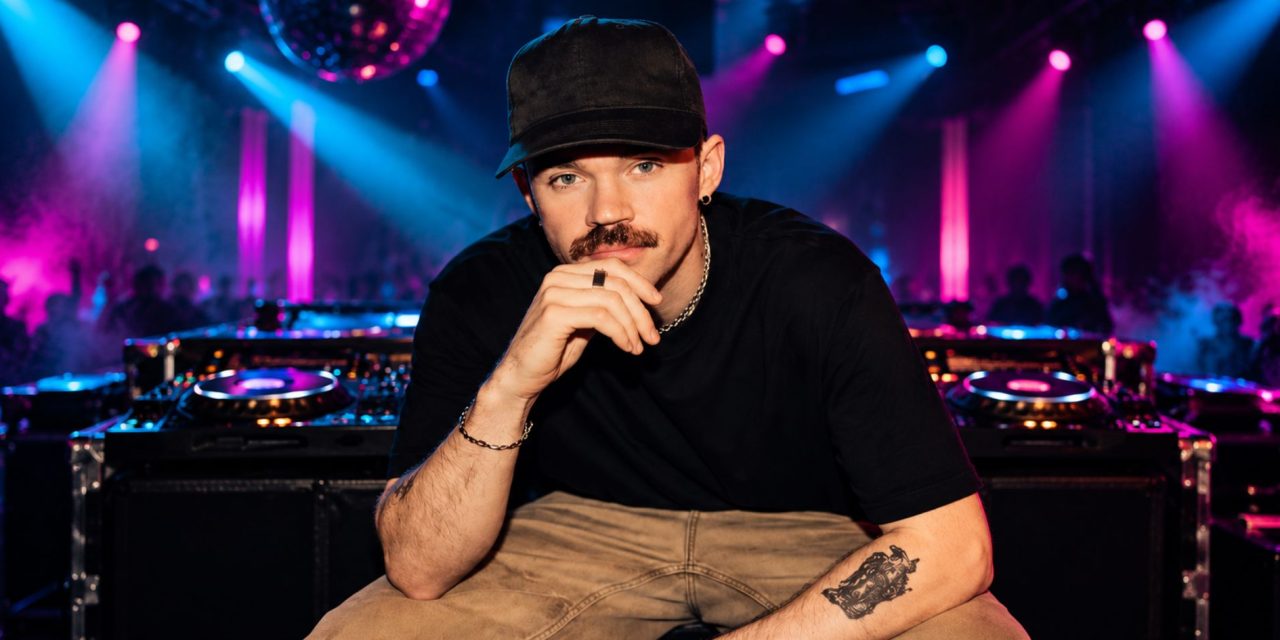
Australian DJ and producer Dom Dolla is expanding his influence in dance music beyond production, touring and event curation.
On October 14, 2026, he announced Good Fortune Records, a new imprint scheduled to launch on Friday, October 16. Its first release, “DANCE,” brings together Australian producer Torren Foot and the duo Rhys from the sticks. Apparently, building a successful event brand can lead to another venture beyond keeping the dance floor moving.
The announcement offers more than another label launch to discuss. Good Fortune Records builds on an existing event identity rooted in club music, community and musical discovery. For DLK Soulful EDM readers, the development raises an important question: how can an established artist use a record label to connect live curation, emerging talent and club culture? The answer will depend on the music released and the opportunities created as the label develops.
From Party Series to Record Label
Good Fortune did not begin as a record company. It first took shape as an event brand in 2024, giving Dom Dolla a platform to curate lineups and build a recognizable experience around his taste in dance music.
According to The Music’s coverage of the announcement, Good Fortune events have appeared in Melbourne, Los Angeles, New York, Miami, Detroit, London and Manchester. These events have brought established names and rising artists into the same orbit, helping the brand develop beyond a single night or location.
Turning that event identity into a label is a logical next step. A party can introduce audiences to an artist in a particular moment. A record label can extend that connection through releases, collaborations and a developing catalog.
This transition also gives Good Fortune a foundation that many new imprints must establish independently. Its existing events provide a recognizable identity, an audience and a curatorial history that can inform its musical direction.
However, an established event brand does not automatically guarantee a successful record company. Future signings, contracts and commercial outcomes remain unknown. Good Fortune must still demonstrate that its event identity can translate into a compelling catalog and sustained support for artists.
The First Release: “DANCE”
Good Fortune Records will launch with “DANCE,” a collaboration between Torren Foot and Rhys from the Sticks, on October 16.
The selection keeps the opening release connected to the label’s Australian roots while introducing a collaborative approach. Torren Foot has an established presence in club music, while rhys from the sticks brings another creative voice to the record.
As reported by The Music, Dom Dolla has played the track in his sets for roughly a year. He introduced it during his 2025 Sydney stadium performance and later performed it with Torren Foot in Melbourne in September 2026.
That history matters because dance records often reveal their character most clearly in a live setting. Arrangement, tension, rhythm and release meet an audience in real time, offering a different perspective from listening privately.
By selecting a track already tested in his sets, Dom Dolla connects the label’s first official release to the physical spaces where the Good Fortune identity developed. The record arrives with a live history rather than beginning its journey entirely from scratch.
For DLK Soulful EDM readers, this offers an interesting example of how live performance can intersect with a label’s release strategy. However, a positive crowd response does not automatically guarantee commercial success. The track’s reception after release will provide another measure of its reach.
Why Artist-Led Labels Matter
Artist-led labels can occupy a distinctive place in dance music. When founders are also active touring DJs, their direction can be informed by regular contact with clubs, festivals, producers and audiences.
That proximity can create several potential advantages. A touring artist can hear how unreleased music performs in different rooms. A curated event series can introduce audiences to new names before an official release campaign begins. A label can then give those discoveries a longer life through distribution, promotion and a growing catalog.
These are possibilities, not promises. Good Fortune Records will ultimately be judged by the music it releases, the artists it supports and the consistency of its editorial vision.
Still, the structure is worth watching because it connects three elements of dance culture often treated separately: the party, the artist community and the recorded catalog.
The launch may also be significant for emerging producers. Good Fortune’s first release is not framed solely around Dom Dolla’s own name. Instead, the label opens with a collaboration involving other artists.
That choice suggests a curatorial approach, although the future roster and release strategy have not yet been announced in detail. Whether the label consistently prioritizes emerging talent remains to be seen.
For artists, the potential value lies in more than having a track released. Effective support can help them reach new listeners, establish their musical identities and build relationships within the industry. Good Fortune has the opportunity to provide such support, but its future activities will determine how much that opportunity translates into practice.
A Label With a Live Feedback Loop
One of the most interesting aspects of Good Fortune Records is the potential feedback loop between its events and releases.
An event can help the label observe which sounds connect with a crowd, while a release can extend an audience’s relationship with the music. However, the goal should not simply be to chase immediate reactions. The stronger opportunity is to use live environments as one source of creative information while allowing artists to develop distinctive ideas.
If Good Fortune maintains that balance, it could become a bridge between headline-scale dance music and producers whose work is beginning to attract wider attention. The event platform can provide discovery, while the label can provide continuity.
This model also reflects a broader shift in electronic music. Artists increasingly build ecosystems around their work rather than relying on individual release cycles. Those ecosystems may include parties, labels, visual identities, collaborations and direct community engagement.
The strongest examples feel coherent because each element reinforces the same artistic values. An event introduces audiences to a sound, a release gives them something to revisit, and future performances can deepen that connection.
For Good Fortune, the challenge will be ensuring that this relationship benefits artists as well as the brand. A live audience can offer valuable exposure, but meaningful development requires more than a memorable performance. Continued promotion, thoughtful release choices and opportunities for collaboration can help turn initial attention into longer-term interest.
For DLK Soulful EDM, this relationship between live experiences and recorded music provides a useful angle for following the label’s development. Its future releases can reveal whether Good Fortune becomes a consistent platform for musical discovery or remains primarily an extension of its event identity.
What to Watch Next
The first release establishes how Good Fortune Records will begin, but several important questions remain.
Which artists will follow Torren Foot and Rhys from the Sticks? Will the catalog lean toward one specific club sound, or reflect the range of music heard across Good Fortune events? How frequently will the label release music? And will future events serve as showcases for its developing roster?
It will also be worth watching how the label supports emerging artists beyond individual releases. Strong artist development can involve thoughtful release schedules, clear positioning, collaborative opportunities and enough space for an artist’s identity to remain visible.
For emerging producers, the important consideration is whether the label provides meaningful opportunities beyond association with an established DJ. A release can attract attention, but sustained development often requires continued visibility and room to grow.
For listeners, the simplest next step is to hear what the label actually puts into the world. “DANCE” arrives on October 16, giving Good Fortune Records its first opportunity to turn an established live identity into a recorded statement.
The releases that follow will reveal more about its musical direction, its approach to artist development and its relationship with the wider dance music community. Until then, expectations should remain distinct from confirmed plans.
The Beginning of a New Chapter
Dom Dolla’s move into label ownership adds another dimension to a career shaped by production, touring and curation. Good Fortune Records arrives with recognizable branding, an international event history and a first release already tested in live sets.
These elements provide a promising starting point, but they cannot determine the label’s long-term contribution. Its impact will depend on the quality of its releases, the artists it champions and its willingness to develop a coherent musical identity.
If Good Fortune combines strong records with thoughtful artist development and a genuine sense of community, it could become more than another outlet for club tracks. It could connect audiences with emerging talent while giving artists additional ways to reach listeners.
For now, the launch marks the beginning rather than the conclusion of that story. The first release opens the door, and the label’s future catalog will determine how far it travels.
For DLK Soulful EDM, Good Fortune Records is worth following not simply because Dom Dolla has launched another venture, but because its evolution may reveal how live curation can influence recorded music and artist discovery. As the label develops, its releases and relationships with emerging talent will offer a clearer picture of its place in dance culture.
