Picture a dance floor drenched in sweat, flashing lights, and maybe a few tears. Because apparently, dancing your feelings out is having a serious comeback.
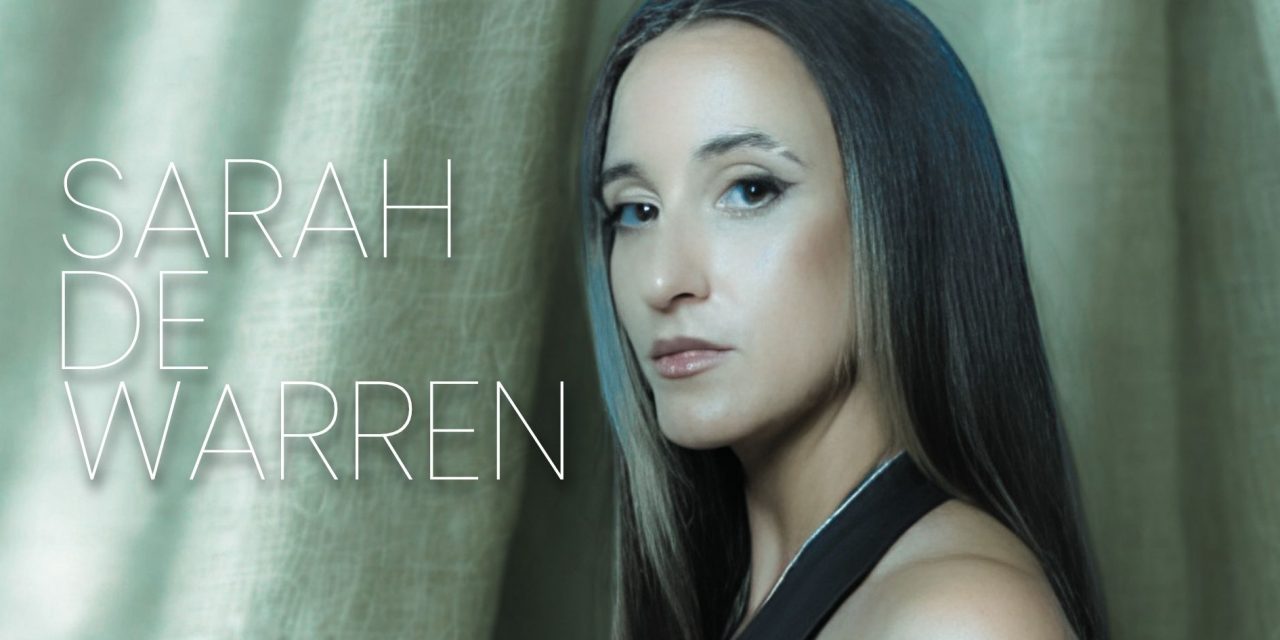
Enter Sarah de Warren, the songwriter, vocalist, producer, and DJ bringing emotional storytelling into modern dance music. Her growing catalog shows how vulnerable lyrics can coexist with powerful club production.
From songwriting collaborations to her own releases, de Warren has built a reputation around emotionally charged vocals and electronic music. Her work shows that dance music can still make you move while giving you something to feel.
Early Life and Musical Beginnings
Sarah de Warren’s musical journey began with songwriting and experimentation rather than a conventional path into electronic music.
In an interview, she explained that she began contacting electronic producers through SoundCloud and asking them to send her beats. She could already write, sing, record, and vocal-produce, which helped her turn those early connections into professional opportunities.
Her approach was hands-on from the beginning. Writing songs and developing vocals gave her a foundation that would later become central to her work in electronic music.
Rather than treating vocals as another layer over a dance track, she approaches them as part of the emotional core. That distinction has helped her stand out across trance, techno, and other electronic styles.
Today, her songwriting catalog stretches across numerous collaborations and genres. Spotify currently lists 193 songs written, with credits involving artists including Linney, Kaskade, Subtronics, Rezz, BUNT., and others.
That songwriting background helps explain why her vocals often feel connected to the story of a track. The beat creates movement, but the words give listeners something personal to hold onto.
The Evolution of Dance Music Emotions
Dance music has always had an emotional side, even when massive drops dominated the conversation. The difference today is how prominently vulnerability can sit alongside the production.
Sarah de Warren fits naturally into this shift. Her work combines expressive vocals with electronic production that can remain powerful enough for clubs and festivals.
Her recent collaboration with CIRCA96, “Breathing Underwater,” offers a clear example. The track moves into trance-led emotion, pairing soaring vocals with themes of devotion, surrender, and love.
Her collaboration with Frankyeffe, “One More Night,” takes another emotional route. The track sits between melodic techno and trance, using atmosphere and tension rather than relying solely on peak-time intensity.
The song reportedly began with its vocal hook, which became the foundation for its emotional narrative. That process reveals how songwriting can shape the entire direction of an electronic track.
From Euphoric Builds to Emotional Depth
The modern dance floor does not have to choose between energy and vulnerability.
Sarah de Warren’s catalog demonstrates how vocals can add emotional weight to electronic productions without weakening their impact. Her collaborations span trance, techno, house, and other corners of dance music.
Tracks such as “No Sleep” with Hardwell show her ability to deliver hypnotic vocals within a powerful, festival-ready production. The track combines her vocal presence with Hardwell’s bass-heavy techno sound.
Her work with Marten Hørger on “Make It Right” also demonstrates that crossover. Released through Tomorrowland Music, the track places her songwriting and production alongside Hørger’s electronic approach.
| Era | Dance Music Focus | Vocal Approach | Sarah’s Connection |
| Earlier EDM | Big drops and euphoric builds | Chops and hooks | Songwriting foundation |
| Modern EDM | Melodic and emotional production | Full vocal narratives | Emotional songwriting |
| Current Scene | Techno, trance, and crossover sounds | Expressive and vulnerable | Vocal-led collaborations |
Her contribution is not about slowing dance music down or making every track sentimental. It is about giving high-energy productions an emotional center.
That approach can turn a powerful drop into something more personal. The listener does not only hear the production; they recognize something within the words.
Why Big Feelings Still Belong on the Dance Floor
Dance music can be physically powerful and emotionally vulnerable at the same time. Sarah de Warren’s work demonstrates how those qualities can strengthen each other.
Her lyrics and vocal performances give producers another way to create tension before a drop. A vulnerable verse can make the release feel larger because listeners understand what is being released.
That emotional contrast is part of what makes vocal dance music so compelling. The crowd can sing the same words while attaching completely different memories to them.
Her current work continues exploring that balance. Recent releases include “What U Like,” “Games,” “Breathing Underwater,” and “One More Night,” showing the range of her evolving electronic sound.
Her story also reflects the rise of internet-born dance artists, who can develop their sound, collaborate across borders, and build audiences beyond traditional industry pathways.
Sarah de Warren’s career fits into this wider movement in dance music. Producers are still chasing massive sounds, but songwriters are making sure those sounds have something meaningful to say.
Conclusion
Sarah de Warren represents an increasingly important side of modern dance music. Her work proves that powerful electronic production does not have to push vulnerability aside.
From trance and techno to festival-ready collaborations, she continues placing songwriting and emotional vocals inside productions built for movement. The result is dance music that can make you move, remember, and occasionally feel called out by the lyrics.
Have you ever heard a Sarah de Warren vocal and thought, “Okay, why does this feel so personal?”
DLK Soulful EDM explores such artists who are bringing emotion, storytelling, and genuine human feeling back into the electronic music experience.
