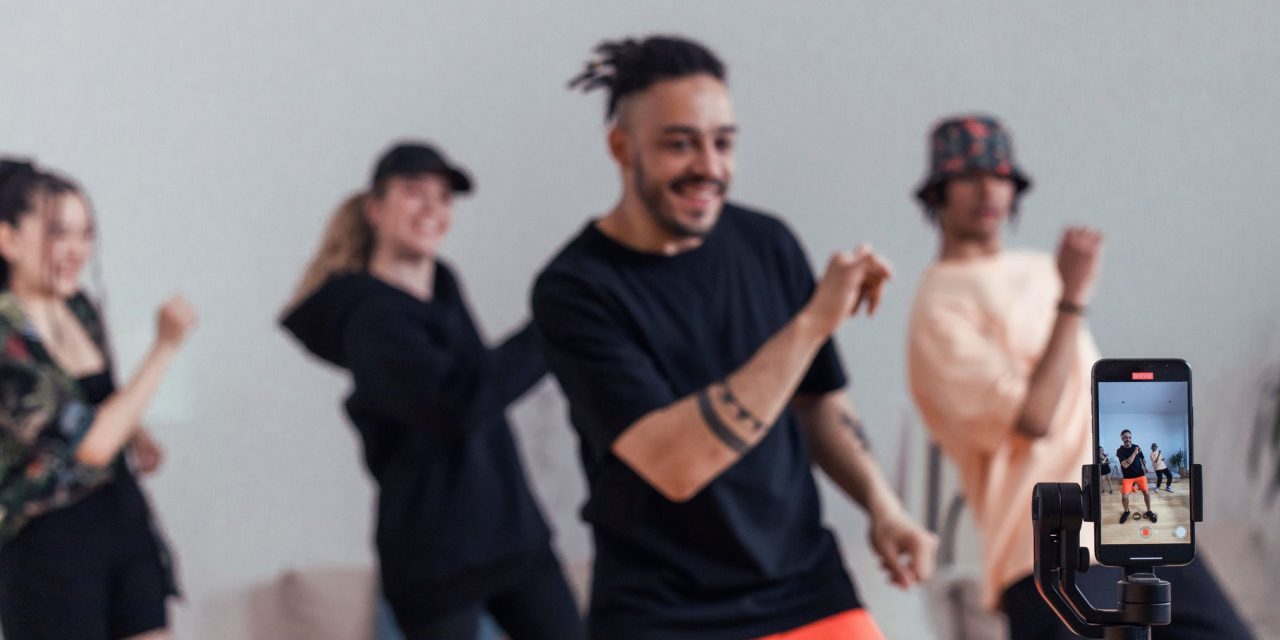
What happens when an artist can build a festival-sized following before ever stepping onto a festival stage? The internet has made that possible. A viral dance, a recognizable style, or one perfectly timed clip can turn an unknown creator into a name millions of people already know.
Internet-born dance artists are changing how audiences discover performers and how festivals think about their lineups. From viral dance challenges to algorithm-driven discovery, online popularity is creating new routes from the screen to the main stage. In fact, it is also reshaping what festival identity looks like.
The Rise of Hyper-Online Dance Creators
Social platforms like TikTok and Instagram Reels have become major spaces for discovering dance, choreography, and emerging performers. Creators can share short clips that reach audiences far beyond their existing followers, sometimes turning a single performance into a global trend.
For internet-born dance artists, this creates opportunities that once depended heavily on traditional industry connections. Viral performances, collaborations, dance challenges, and online communities can build recognition before a creator ever appears on a major festival lineup.
That visibility is also changing festival identity. Festivals are increasingly influenced by the online communities surrounding artists, sounds, and dance trends. Audiences may arrive already knowing the performer because they discovered them months earlier on their phones.
The creator economy adds another layer to this shift. Dance creators can collaborate with musicians, brands, choreographers, and other online personalities. This allows them to build communities that move between social platforms and live events. The boundary between internet culture and festival culture is becoming increasingly difficult to separate.
TikTok and Viral Dance Challenges
TikTok has shown how quickly choreography can move from a phone screen into mainstream culture. Dance challenges give audiences an easy way to participate, recreate movements, and become part of a trend rather than simply watching it.
The Renegade is one of the clearest examples. Jalaiah Harmon created the original choreography before it spread widely across TikTok, demonstrating how choreography created outside traditional entertainment structures could reach an enormous global audience.
Other creators have similarly used viral dance content to build recognizable identities around their performance styles. These examples show how online visibility can establish a creator as a cultural figure before traditional entertainment channels catch up.
Viral challenges also create something traditional advertising cannot easily manufacture: participation. When thousands or millions of people learn the same routine, they become part of the cultural moment themselves.
That participation can follow creators into live spaces. A dance discovered online can suddenly become something an entire festival crowd recognizes when the music starts playing.
Algorithm-Driven Discovery
TikTok’s For You Page can introduce creators to people who have never encountered them before. That allows emerging TikTok dancers and other internet-born performers to build audiences without relying entirely on existing followers or traditional gatekeepers.
Several factors can influence how far content travels. A strong hook in the first few seconds can encourage viewers to keep watching, while shares, comments, duets, and stitches can extend a video’s reach.
Trending audio can also help creators enter conversations that already have momentum. Cross-posting content across TikTok, Instagram Reels, and YouTube Shorts can widen discovery even further.
For creators hoping to move from online communities toward festival stages, that visibility can become valuable social proof. A performer with an established digital audience brings something different to a festival: people who already know them and may want to experience them live.
Creators looking to build that momentum can focus on seven practical strategies:
- Start with a strong hook in the first three seconds so viewers immediately understand why they should keep watching.
- Encourage duets and stitches to make the content participatory rather than something audiences simply watch and scroll past.
- Pair performances with trending sounds that already have active communities searching and engaging around them.
- Cross-post clips across TikTok, Instagram Reels, and YouTube Shorts to reach different audiences without relying on one platform.
- Track completion rates to understand where viewers lose interest and adjust the pacing of future videos.
- Encourage sharing by creating challenges, recognizable moves, or content that viewers naturally want friends to recreate.
- Test different versions of your content and use performance data to understand what the algorithm and your audience respond to most strongly.
These strategies do not guarantee a festival booking, but they demonstrate how the route from online discovery to live performance is changing. The audience can now help create the momentum that gets an artist noticed.
Conclusion
The rise of internet-born dance artists is changing more than how performers become famous. It is changing how festival audiences discover talent, how communities form around music, and what promoters can consider when building a lineup.
The most interesting part may be what happens when online recognition meets a real crowd. A creator who can capture attention through a 20-second video still has to prove that the energy survives when thousands of people are standing in front of them.
And maybe that is the real test of the next generation of festival performers: can they make you stop scrolling—and then make you forget your phone entirely?
Keep exploring DLK Soulful EDM for more stories on the artists, sounds, and cultural shifts shaping the future of dance music and festival culture.
