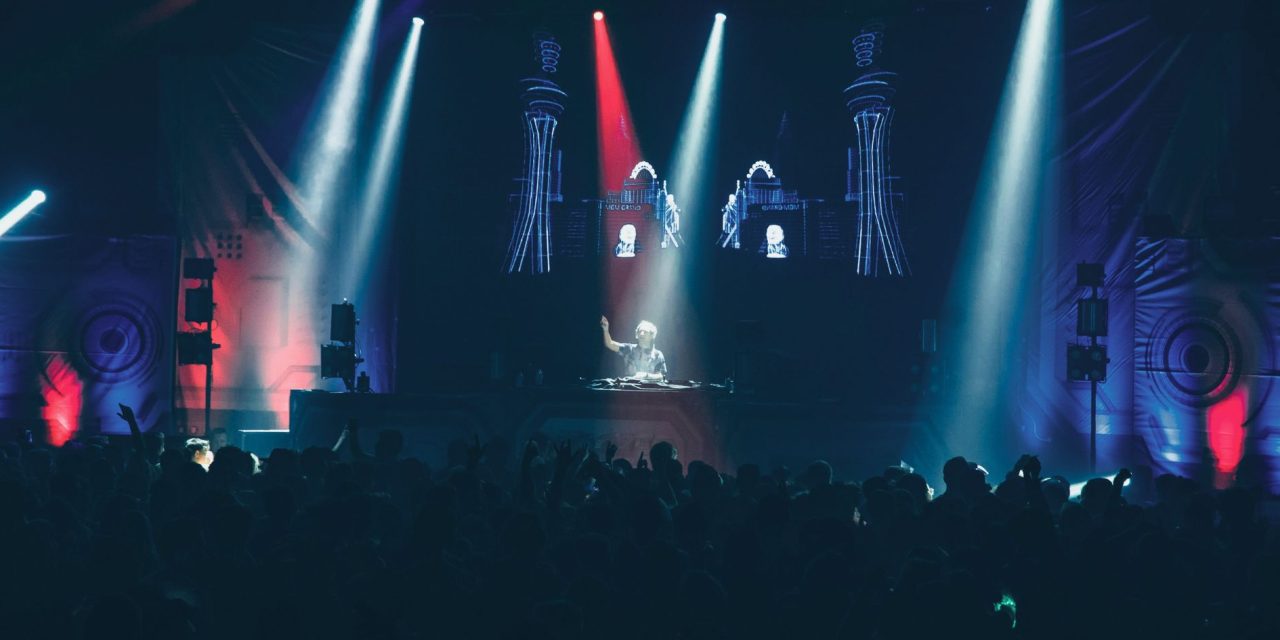
Festival audiences used to be impressed by loud speakers, flashing lights, and a DJ yelling “everybody jump” every six minutes. Now? People expect emotional moments, immersive visuals, crowd interaction, and performances dramatic enough to become TikTok memories before the night is even over.
That shift is changing festival culture across electronic music, pop, and live performance spaces. Audiences increasingly want experiences that feel interactive, cinematic, and emotionally personal instead of simply watching artists perform from a distance. This piece explores how artists are adapting to modern festival expectations through storytelling, audience participation, and immersive stage design.
The Rise of Interactive Festival Performances
Modern festival culture now revolves heavily around audience engagement.
Many artists incorporate live visuals, cinematic lighting, synchronized effects, and crowd-focused moments designed to make attendees feel emotionally involved in the performance rather than simply observing it.
Sing-alongs, coordinated choreography, call-and-response sections, and real-time audience interaction have become major parts of live festival energy. Fans increasingly want performances that feel memorable and emotionally immersive instead of overly scripted.
This evolution reflects how festivals have become experience-driven spaces rather than just concert events.
Emotional Connection and Storytelling
Artists are also placing far greater emphasis on emotional storytelling during live sets.
Performers like Billie Eilish often use pauses between songs to create emotional intimacy with crowds through personal reflections and storytelling moments.
Meanwhile, artists such as The Chainsmokers extend audience engagement beyond the stage itself by interacting heavily through social media before and during performances.
These approaches help audiences feel more emotionally connected to the artist and the festival atmosphere as a whole.
For many fans, the emotional memory attached to a performance now matters just as much as the music itself.
The New Festival Experience
Festival culture continues evolving because audiences increasingly expect experiences that combine music, emotion, visuals, and participation into one immersive environment.
Large-scale visuals, interactive production design, social media integration, and emotionally driven performances now shape how people judge live events.
This has especially influenced electronic music festivals, where atmosphere and crowd energy often become central parts of the performance itself.
Artists who understand this shift tend to create stronger fan loyalty because audiences leave feeling like they experienced something personal instead of simply attending another concert.
Conclusion
Festival culture has moved far beyond basic live performances. Modern audiences now expect emotional connection, immersive visuals, crowd interaction, and moments that feel unforgettable both online and in real life.
People are no longer just chasing good music. They are chasing experiences that feel bigger than the playlist itself.
What instantly makes a festival performance unforgettable for you – the visuals, the crowd energy, the emotional moments, or that one song drop that changes the entire atmosphere? Tell us in the comments, and keep exploring electronic music culture and festival experiences with DLK Soulful EDM!
