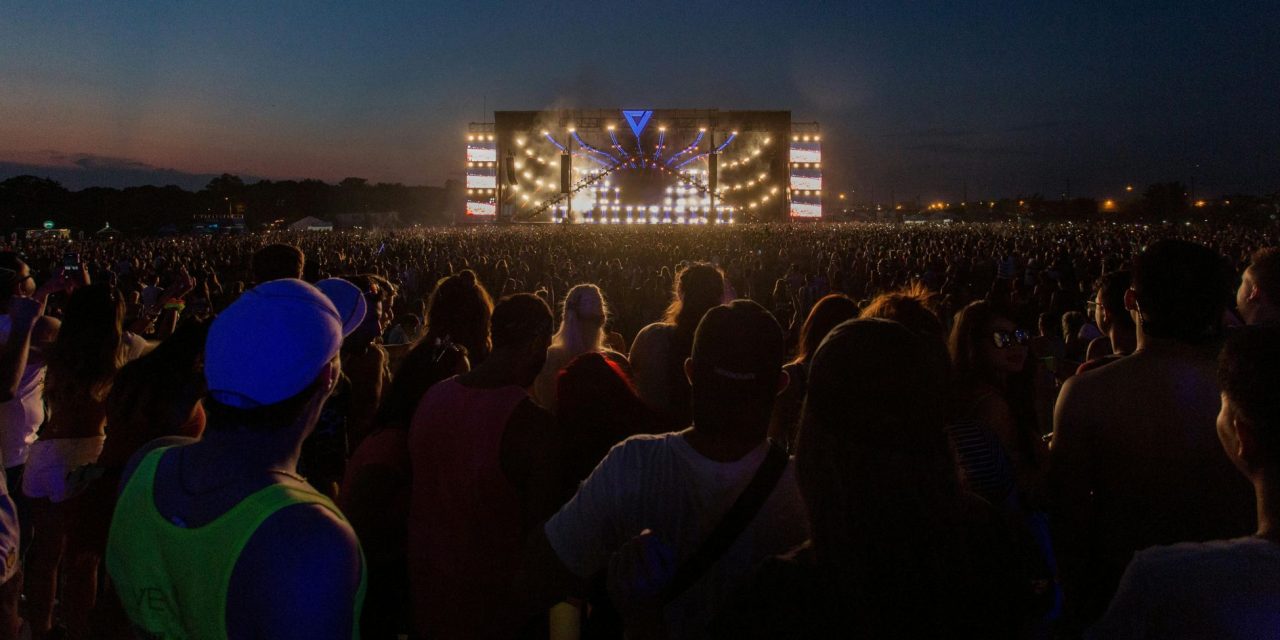
A perfectly timed EDM drop can make thousands of strangers scream in sync, hug people they met twelve minutes ago, or suddenly stare into the sky like they just solved life emotionally through synthesizers. That reaction is not accidental. The best electronic music has always been about feeling something, not just hearing something loud.
That emotional connection is part of why EDM continues dominating festivals, playlists, gaming culture, workouts, and late-night drives around the world. Beyond production tricks and heavy basslines, artists are increasingly focusing on storytelling, emotional tension, and crowd connection to make tracks unforgettable. This piece explores how emotion shapes EDM experiences through audience interaction, personal storytelling, and immersive live performances.
Connecting With the Audience
Modern EDM performances rely heavily on emotional crowd connection rather than just technical mixing.
DJs now use techniques like live remixing, call-and-response moments, and surprise transitions to keep audiences emotionally invested throughout a set. These moments create tension, anticipation, and release in ways that feel shared between the artist and the crowd.
Artists like DJ Khaled frequently use direct audience interaction to amplify crowd energy, while others build emotional momentum through slower cinematic transitions before major drops.
Meanwhile, producers increasingly use tools like Ableton Live for real-time remixing and live edits during performances. Interactive platforms such as Slido also help performers gauge crowd reactions more dynamically during events.
These approaches make audiences feel involved in the performance instead of simply watching it unfold from a distance.
Personal Stories and Themes in EDM
Some of the most memorable EDM tracks succeed because they feel emotionally personal beneath the production.
Artists like Zedd and Porter Robinson often build tracks around themes like heartbreak, nostalgia, loneliness, companionship, or emotional healing.
Songs such as Clarity and Shelter resonate deeply because they balance euphoric production with vulnerable emotional themes.
Many producers now develop ideas by journaling experiences, building melodic concepts around specific emotions, or experimenting with sound textures designed to trigger particular moods.
Platforms like Splice also help producers discover samples and textures that support emotional storytelling during production.
This emotional honesty often becomes the reason listeners replay tracks long after the festival ends.
Conclusion
Emotion remains one of the most powerful forces in EDM because it transforms tracks from background music into personal experiences. Through storytelling, audience interaction, and emotionally charged production, artists continue creating moments that feel immersive, memorable, and deeply human.
Sometimes the most unforgettable part of an EDM track is not the drop itself — it is the feeling right before it hits.
Which EDM song has hit you emotionally so hard that you immediately replayed it before the track even finished? Drop it in the comments, and keep exploring the emotional side of electronic music with DLK Soulful EDM!
