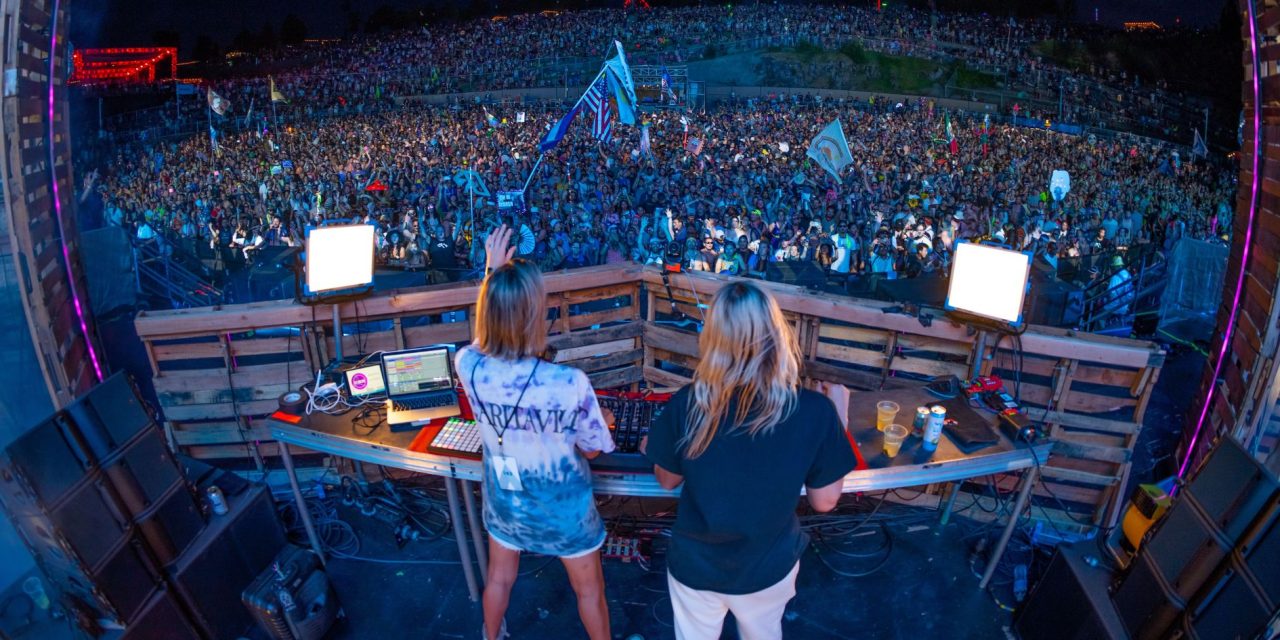
For years, a festival poster could tell you who mattered before you even reached the ticket page. Then TikTok arrived and started making its own recommendations.
Now, a dance artist can build an audience from a bedroom, a phone, and one wildly successful clip. Traditional festivals are feeling that change. Coachella attendance reportedly dropped 23% between 2019 and 2022, while 68% of Gen Z preferred TikTok discovery over legacy bookings, according to YouGov.
Festivals such as Tomorrowland and EDC now face a tricky question. Should they keep leaning on established names, or make room for artists who already have fans waiting online?
When Online Fame Meets Festival Gatekeeping
The traditional route into festival culture usually runs through agents, labels, industry contacts, and established reputations. Today, artists can build serious momentum without taking that route. Their audience may already be watching, sharing, and dancing along before a booking team notices.
That creates an awkward mismatch. Some festival lineups still rely heavily on familiar acts, while younger fans increasingly chase fresher names online. The rave scene is no longer shaped only by promoters and labels. Creators, dance collectives, and online communities now help decide who gets noticed.
Gatekeeping and Exclusivity Norms
Ultra Music Festival rejected 87% of 2022 submissions from artists with fewer than 100,000 followers, according to Pollstar. Follower thresholds and agency relationships can make entry harder for independent creators.
Several barriers keep appearing. Major agent networks control much of the booking pipeline. Strict follower thresholds can turn popularity into an unofficial entry ticket. Traditional agency bias can favor signed talent over creators. Festival legacy bias can keep familiar headliners returning because they feel like the safer choice.
The result can be frustrating. A TikTok dancer might collect millions of views yet struggle to reach a festival stage without industry connections.
One viral creator summed up that tension by saying, “I went viral with a dance challenge, but they wanted my agent’s card first.”
Festivals can widen the door by using virtual auditions, streaming platforms, and social media scouting. Hashtag dances and online tutorials can also reveal performers outside established networks. These routes could help move underground talent toward mainstream stages.
That matters for festival culture because discovery now happens everywhere. Fans find artists through clips, choreography, communities, and recommendations shared between friends. A festival that understands that journey can feel much more connected to its audience.
Why Festival Attention Is Becoming Harder to Hold
Getting fans through the gates is one challenge. Keeping them there for an entire set is another. Younger audiences arrive with endless entertainment options already sitting in their pockets.
Glastonbury dwell time reportedly dropped 41% between 2018 and 2023. Lollapalooza data also showed TikTok-famous sets averaging 2.3 times longer viewing. Together, these figures point toward a broader change in how audiences experience live electronic music.
Declining Audience Engagement
Established artists can still command huge crowds, but recognition alone does not guarantee attention. Fans may spend more of a set filming clips, checking phones, or waiting for a familiar moment.
Digital-native performers often have a different advantage. They have spent years learning how to capture attention quickly through the FYP algorithm. Their stage presence can feel more direct because their online audiences already know their style.
| Metric | Legacy Artists | TikTok Stars |
| Avg Set Dwell Time | 18 min | 27 min |
| Phone Usage | 23% | 11% |
| Crowd Energy Zones | Standard | Peak Dominance |
User-generated content can strengthen that connection. Viral challenges give fans something to join rather than simply watch. Dance trends, meme moments, and visual effects can turn a set into a shared experience.
This shift also offers an interesting lesson for soulful EDM. Emotional tracks already depend on atmosphere, connection, and memorable moments. Blending those qualities with participatory experiences could make live sets feel more personal.
The answer is not replacing every headliner with a TikTok creator. The bigger issue is recognizing that audience engagement now starts before fans enter the venue.
Festivals can use that earlier connection to build curiosity around emerging performers. Cross-platform artists can then bring online communities into physical spaces. That creates a festival experience that feels less fixed and more alive.
Conclusion
The future of EDM festivals does not have to be a choice between legendary headliners and internet-born newcomers. The stronger approach may be making room for both while giving audiences better ways to discover artists.
Online creators have already changed how people find music, dance trends, and new performers. Festivals now have an opportunity to turn that discovery process into part of the live experience.
The festival poster may still matter, but it no longer gets the first word. Sometimes, the crowd has already chosen its next favourite before the booking team has finished the lineup.
What if the artist you end up raving about is the one you almost skipped on the poster?
DLK Soulful EDM highlights fresh artists and sounds shaping electronic music, helping unexpected favourites find curious listeners.
