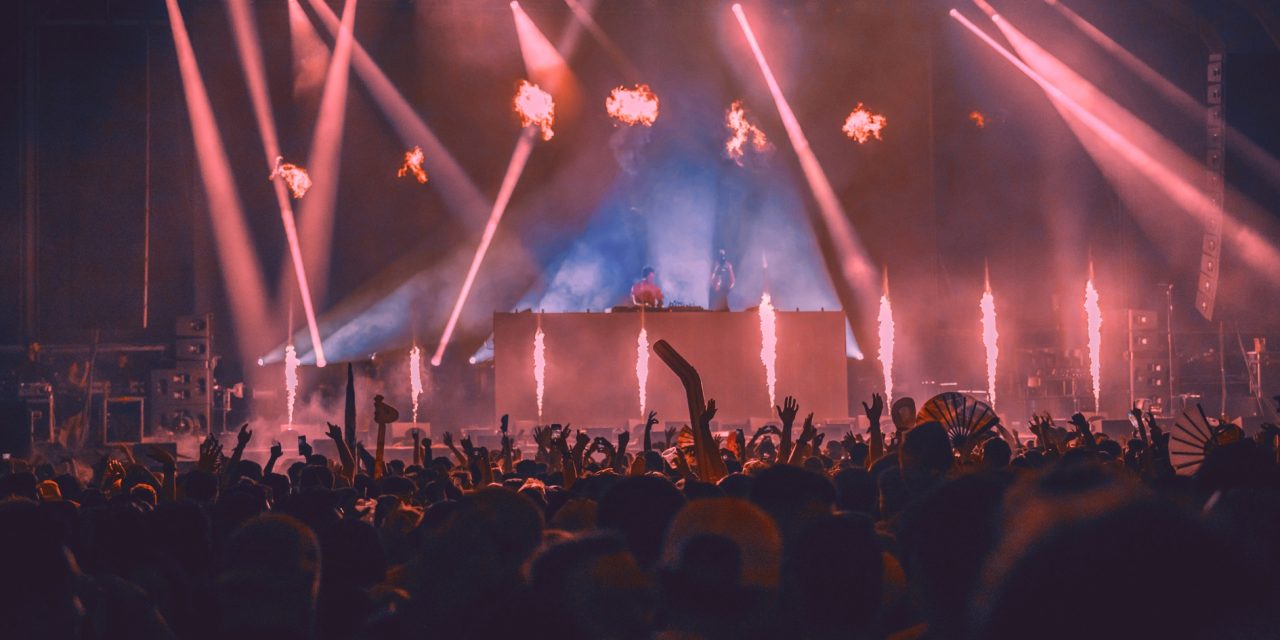
It’s easy to think festivals simply reflect what’s popular—but in EDM, they often decide what becomes popular. As global stages like Tomorrowland, Electric Daisy Carnival, and Ultra Music Festival grew in scale, they didn’t just amplify sound. They filtered it. Certain styles thrived in front of massive crowds, while others quietly faded out.
Over time, something subtle but important shifted. Audiences who once lived for nonstop drops started responding to something else—contrast, space, and emotion. That shift is what opened the door for soulful EDM to move from the margins into the center of festival culture, reshaping not just setlists, but the expectations of what EDM could make people feel.
The Festival Effect
Festivals became the proving ground where this evolution played out in real time. In the early 2010s, big-room house and bass-heavy sets dominated main stages. The formula was simple: build tension, deliver the drop, repeat. It worked—but only up to a point.
As crowds became more experienced, repetition started to wear thin. What began to stand out were sets that created emotional dynamics instead of constant intensity. Artists like Illenium, Seven Lions, and Gryffin leaned into that shift. They introduced melodic breakdowns, vocal-driven moments, and quieter sections that allowed audiences to connect rather than just react.
These weren’t just stylistic tweaks—they changed how sets were experienced. Instead of a straight line of energy, performances became emotional journeys. Soulful EDM carved out a role within festival lineups as the moment where everything slowed down just enough for people to actually feel something.
The Streaming Revolution
While festivals created the environment, streaming platforms accelerated the movement. Services like Spotify, Apple Music, and YouTube changed how listeners discovered and lived with music.
Playlists introduced wider audiences to melodic, vocal-driven tracks that didn’t rely on festival context to make sense. Suddenly, soulful EDM wasn’t tied to a specific moment in a live set. It became something people could return to daily.
Streaming also rewarded depth. Tracks with emotional layers and strong melodic identity held attention longer and encouraged repeat plays. Instead of burning out after a few listens, they revealed more over time. This made soulful EDM more adaptable, fitting into routines like studying, commuting, or unwinding.
Diversity of Influences
Another reason soulful EDM gained traction is its openness to outside influences. Rather than staying locked into one formula, it pulls from multiple genres to stay fresh and relatable.
Artists like Praana blend trance structures with expressive vocals, while Kasablanca incorporate progressive house with a darker, almost rock-inspired edge. Vocalists such as HALIENE and Anabel Englund add a human layer that grounds the production.
This mix—R&B textures, acoustic elements, cinematic builds—gives the genre flexibility. It can feel intimate without losing scale, and expansive without losing emotion. That balance is what keeps it evolving.
Conclusion
Soulful EDM didn’t replace high-energy EDM—it reshaped how that energy is delivered. By introducing emotional contrast into festival sets, extending its reach through streaming, and embracing diverse influences, it created a more complete listening experience.
What stands out is the intention behind it. This is not just music designed to move crowds—it’s music designed to connect with them.
Have you ever added an EDM track to your playlist not for hype, but because it just fits your mood on a random day?Drop your go-to track and keep your rotation evolving with deeper, mood-driven sounds over at DLK Soulful EDM.
