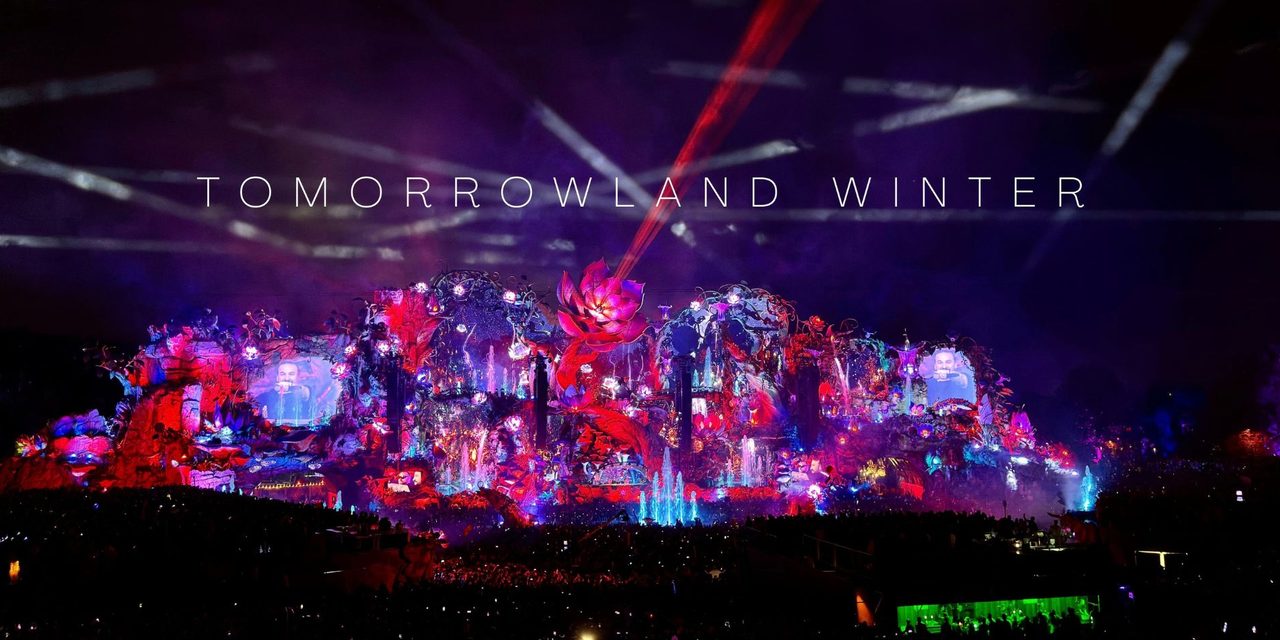
Picture snow-covered peaks pulsing with electronic music while skiers trade their goggles for glowing festival stages. Tomorrowland Winter takes the familiar festival formula somewhere considerably colder.
Since its debut in Alpe d’Huez, the winter edition has built its identity around mountains, music, and an unusually intimate connection between the two. Its recent lineups also point toward something bigger: EDM can still feel exciting without always reaching for maximum intensity.
That makes Tomorrowland Winter interesting beyond the scenery. Its mix of established names, emerging talent, melodic sounds, and youthful energy offers a glimpse into the genre’s softer and more varied direction.
Tomorrowland Winter: Festival Overview
Tomorrowland Winter transforms the snow-covered slopes of Alpe d’Huez into a temporary electronic music playground. The festival combines skiing, snowboarding, mountain activities, and performances across indoor and outdoor stages throughout the resort.
Unlike the main Tomorrowland experience in Belgium, the winter edition places music inside a working alpine environment. Festivalgoers can spend part of the day on the slopes before moving into après-ski sessions and evening performances.
The setting does more than provide impressive photographs. Mountain stages, snowy surroundings, changing weather, and high-altitude performances become part of the listening experience. Music feels connected to the environment rather than simply placed inside a festival field.
That combination has helped Tomorrowland Winter develop a distinctive identity within the EDM festival landscape. It also creates room for different kinds of electronic music, from house and melodic sounds to techno, bass, and harder styles.
The festival’s recent editions have placed increasing attention on emerging artists and different voices within electronic music. In 2026, Tomorrowland Winter highlighted rising talents alongside major names, including 14-year-old El Figo and artists such as Alicia Hahn and Alycia Bezgo.
Origins and Growth Trajectory
Tomorrowland Winter officially began in 2019, when 25,000 People of Tomorrow gathered in Alpe d’Huez for its first edition. The festival later returned after the pandemic interruption and established itself as a recurring winter event in the French Alps.
Its growth has been less about simply becoming another massive festival. Instead, Tomorrowland Winter has continued developing the relationship between electronic music, alpine scenery, and a week-long destination experience.
- 2019: The inaugural winter edition brings Tomorrowland to Alpe d’Huez with major international artists.
- 2023: The third edition welcomes more than 22,000 attendees and introduces a covered MainStage alongside established and emerging acts.
- 2024: More than 22,000 festivalgoers experience eight indoor and outdoor stages featuring over 150 electronic artists.
- 2026: Rising talent takes an even more visible role, with artists such as El Figo, Alicia Hahn, and Alycia Bezgo appearing alongside major international names.
The 2026 edition makes the rising-star story particularly clear. El Figo, only 14, became the youngest artist to perform at Tomorrowland Winter, bringing energetic mashups and a feel-good house influence to the Frozen Lotus stage.
Other emerging artists also received space to establish their identities. Alicia Hahn brought her percussion-focused electronic style to CORE, while Alycia Bezgo made her Tomorrowland Winter debut after developing through the Tomorrowland Academy.
At the same time, the festival has not abandoned bigger or harder sounds. Its lineups continue to include major names across house, techno, melodic, bass, and other electronic styles.
That balance is important. The softer edge of EDM does not necessarily mean replacing powerful festival music with gentle background sounds. It can mean giving melody, atmosphere, groove, personality, and emerging voices more room to stand beside the spectacle.
Tomorrowland Winter therefore becomes more than a snowy version of a summer festival. Its evolution shows how electronic music can keep its energy while making space for sounds that feel warmer, more melodic, more diverse, and sometimes simply more fun.
Conclusion
Tomorrowland Winter’s appeal comes from more than the novelty of dancing in the snow. Its strongest story may be the way its environment, lineup, and younger artists are broadening what a major EDM experience can feel like.
The festival still has the huge stages and recognizable names. Yet alongside them, emerging artists and more varied electronic sounds are becoming part of the attraction.
That softer edge does not make EDM less exciting. It suggests the genre has more room to move than the loudest drop or biggest stage might suggest.
Could the next big EDM moment come from a sound that feels more melodic, playful, or unexpected than explosive? DLK Soulful EDM is the place to look at what happens when electronic music makes room for those different kinds of energy.
