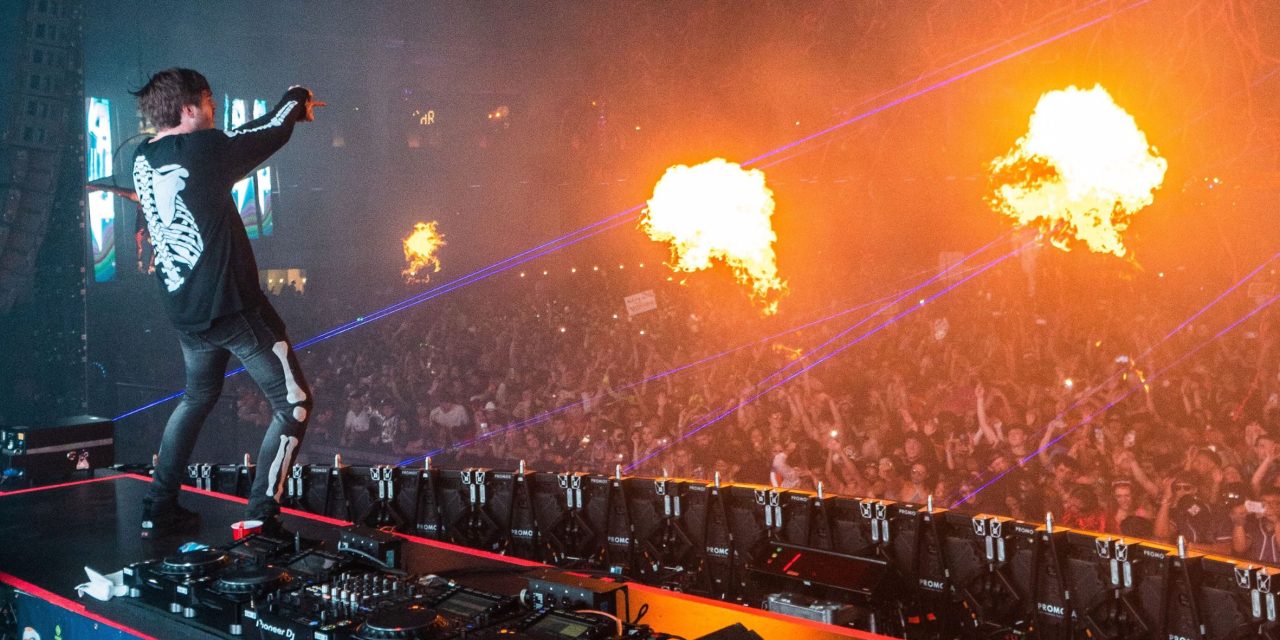
What if the biggest festival moment this year isn’t the drop that makes your chest shake, but the one that makes you unexpectedly emotional? After years of bigger bass, harder drops, and increasingly intense festival sets, 2026 crowds appear to be making room for something different. Emotion-first EDM is bringing melodic builds, soaring vocals, euphoric releases, and genuine connection back into the spotlight.
The shift isn’t about abandoning energy. It is about changing what that energy is supposed to make you feel. From festival fatigue and post-pandemic rave exhaustion to evolving production techniques and changing lineups, several forces are pushing emotional EDM back toward the main stage. And judging by the response, festival-goers may be ready to feel something other than completely destroyed by Sunday.
The Resurgence of Emotion-First EDM in 2026
After years of high-energy festival programming, emotion-first EDM is finding renewed attention in 2026. Melodic house, progressive trance, vocal-driven EDM, and euphoric progressive sounds are giving crowds another way to experience a peak-time set.
The shift appears to have developed gradually between 2024 and 2026. As audiences became more familiar with relentless bass-heavy programming, some began looking for sets that offered emotional release alongside physical energy. Festival fatigue has become part of that conversation, particularly among listeners who want memorable experiences without feeling completely drained afterward.
Three forces sit behind the EDM revival: festival fatigue, a renewed desire for human connection after years of isolation, and production technology that can make emotional moments feel enormous. Instead of relying solely on volume and aggression, producers can now create huge experiences through melody, vocals, atmosphere, and carefully timed releases.
That could influence how music festivals in 2026 approach their main stages. Headliners can still deliver massive drops, but those moments may increasingly sit alongside melodic journeys, vocal hooks, euphoric builds, and visual production designed to amplify emotion.
The main stage doesn’t necessarily need to become softer. It may simply become more emotionally intelligent.
Defining the Emotion-First Sound
Emotion-first EDM generally replaces constant high-intensity aggression with a stronger emphasis on melodic progression, vocal emotion, and tension-and-release. The result can still be energetic, but the journey matters just as much as the drop.
Artists such as Illenium have demonstrated how emotional vocals and cinematic builds can create enormous festival moments. Above & Beyond have long explored the emotional possibilities of trance, while Lane 8 has built a following around melodic journeys that allow tracks to develop rather than rushing toward immediate impact.
Several characteristics define this sound:
- Emotional drops: Releases emphasize melody, harmony, and vocal impact rather than relying entirely on sub-heavy force.
- BPM sweet spot: Tempos around 124–132 BPM can maintain movement while leaving more room for melodic development.
- Melodic rave layers: Synth progressions, atmospheric textures, and familiar vocal phrases can trigger nostalgia, anticipation, and joy.
- Longer builds: Eight- to 16-bar builds give listeners time to absorb the tension before the release arrives.
That distinction matters because emotional EDM isn’t simply slower EDM. A powerful melodic drop can still send thousands of people into the air. The difference is what happens inside the listener before that moment arrives.
Compare the emotional architecture of an Illenium-style melodic build with the more aggressive drop structures associated with earlier big-room EDM. One asks the crowd to feel the release as much as experience it physically.
That may be precisely why emotion-first EDM is connecting with today’s festival audience.
Festival Fatigue from High-Energy Burnout
There is only so much intensity a body can process before even the most committed festival-goer starts thinking, Could we maybe just have a melody now?
Years of increasingly aggressive festival programming have created a conversation around festival fatigue. Constant high-energy sets can be exhilarating, but when every performance is competing to be louder, faster, and more explosive, individual moments can begin to lose their impact.
For some festival-goers, the problem isn’t that they dislike bass music. They simply want variation. A festival experience built entirely around maximum intensity can leave little space for anticipation, reflection, or emotional contrast.
That is where emotional EDM has an advantage. Melodic arcs can create energy without demanding constant sensory overload. A progressive house track can spend several minutes building tension before delivering a euphoric release. A vocal trance moment can turn an entire crowd into one giant singalong.
The emotional payoff becomes part of the physical experience.
For DJs and promoters, that creates an opportunity to rethink peak-time programming. Mixing uplifting EDM, progressive house, melodic trance, and vocal-driven moments into heavier sets can give crowds room to recover without bringing the energy to a complete stop.
After all, even a festival crowd needs a breather before it is ready to lose its mind again.
Post-Pandemic Rave Exhaustion
The post-pandemic return to festivals brought an understandable hunger for intensity. After months of isolation and cancelled events, early post-pandemic raves often felt like collective release. Crowds wanted to dance, shout, jump, and make up for lost time.
But that initial rush could not last forever.
As festival culture settled into a new rhythm, audiences began looking beyond pure intensity. The desire for connection remained, but the way people wanted to experience it started changing. A massive drop could create excitement, yet a familiar vocal, nostalgic melody, or emotional progression could create something more personal.
The evolution can be viewed in stages:
- 2021: Bass-heavy sets became a form of collective energy release after isolation.
- 2023: Increasingly intense programming contributed to concerns about overstimulation.
- 2025: Audiences increasingly looked for emotional depth alongside festival spectacle.
This creates an interesting opening for melodic EDM. Rather than treating emotional moments as breaks between the “real” drops, producers can make those moments the centre of the experience.
Soaring vocal chops, atmospheric synths, progressive arrangements, and carefully constructed builds can create powerful peaks without relying entirely on aggression. Trance, progressive house, and melodic EDM can give festival-goers the unity they came looking for while offering a different kind of release.
And perhaps that explains the appeal of emotion-first EDM in 2026. After years of chasing the biggest possible reaction, audiences may simply be rediscovering the value of a moment that actually means something.
Conclusion
The renewed interest in emotion-first EDM does not mean festival crowds are finished with heavy drops, bass music, or high-energy performances. Those sounds remain an essential part of rave culture.
What appears to be changing is the appetite for balance.
After years of chasing bigger drops and more intense festival experiences, audiences are making room for melody, vulnerability, nostalgia, and connection. Emotional EDM gives producers another way to build anticipation and gives crowds another reason to remember the moment after the speakers stop.
In 2026, the most powerful festival release might not be the one that hits the hardest. It might be the one that hits home.
So, which one wins for you: the drop that shakes the crowd or the chorus that gives everyone goosebumps? See what’s making emotional EDM impossible to ignore only on DLK Soulful EDM.
