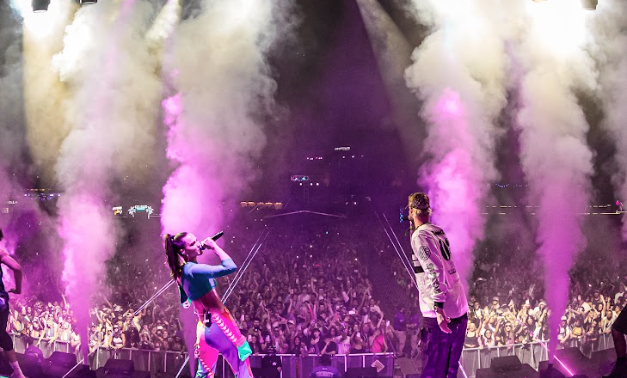
EDM crowds have not abandoned high-energy drops—but they are no longer satisfied with them alone. In 2026, there is a clear shift in how audiences receive live performances, with growing demand for something more human, more expressive, and more real.
At the center of this shift is one key expectation: live vocals. Fans are increasingly drawn to performances where the voice is not just played—but performed.
Changing Perceptions of Live Performances
Audience reception in EDM has evolved noticeably. A significant portion of fans now prefer artists who include live vocal elements, signaling a move away from fully pre-recorded sets toward more dynamic performances.
This preference reflects a deeper desire for authenticity. A live vocal introduces unpredictability—slight imperfections, variations in delivery, and real-time emotion. These elements create a sense of presence that pre-recorded tracks cannot fully replicate.
Artists like Marshmello have leaned into this by incorporating live performers and vocal moments into their sets. The result is not just a stronger performance—it is a more engaged audience. Fans respond differently when they feel something is happening in the moment rather than being replayed.
This shift is also influencing the business side of live music. Shows that feature live vocalists have seen increased demand, with higher ticket sales and stronger crowd retention. In response, festivals are adjusting their booking strategies to prioritize artists who can deliver these hybrid performances.
The inclusion of live vocal mixers, on-stage singers, and instrumentalists is becoming more common, transforming EDM sets into fuller, more immersive experiences. It marks a turning point where performance is no longer just about sound—but about expression.
Fan Engagement and Its Role in Live Vocal Demand
The rise in demand for live vocals is closely tied to how fans engage with artists beyond the stage. The more connected audiences feel, the more they expect performances to reflect that connection.
Skrillex, for example, uses fan interaction tools like setlist polls, giving audiences a sense of participation. That same mindset carries into live shows—fans want to feel involved, not just present.
Similarly, Zedd has explored immersive concert elements that make performances feel interactive. When combined with live vocals, these strategies deepen the overall experience, making it more personal and memorable.
Even off-stage engagement—like Q&A sessions or social media interaction—reinforces this expectation. Fans who feel seen and heard are more likely to value performances that feel equally alive and responsive.
In this context, live vocals become more than a musical choice. They act as a bridge between artist and audience, reinforcing the emotional connection that fans are actively seeking.
Wrap Up
Audience reception in EDM is shifting toward performances that feel authentic, interactive, and emotionally grounded. Live vocals sit at the center of this change, transforming how fans experience and evaluate a set.
What was once a bonus feature is quickly becoming an expectation. And as more artists adapt, the definition of a “great” EDM performance continues to evolve.
Do live vocals make a performance feel more real to you, or do you still prefer the polished perfection of a traditional DJ set?
Let us know in the comments, and stay connected to the evolving sound and culture of Soulful EDM only at DLK Soulful EDM!
