For years, people assumed electronic music belonged in dark clubs, festival fields, and the occasional neighbor’s noise complaint. Soulful EDM had other ideas.
What started as a genre built around emotional melodies and powerful vocals is now showing up in places few would have predicted a decade ago. From wellness spaces and fitness studios to film soundtracks and corporate events, soulful EDM continues proving that music built on feeling can thrive far beyond the dancefloor.
The trend also points toward something bigger: audiences increasingly want music that enhances experiences, not just fills silence. And few genres blend energy, emotion, and atmosphere quite as effectively as soulful EDM.
Read on to see how soulful EDM is expanding into new spaces and why its future looks brighter than ever.
Soulful EDM Is Finding New Homes Everywhere
One of the biggest shifts in recent years has been the genre’s ability to move beyond traditional nightlife environments.
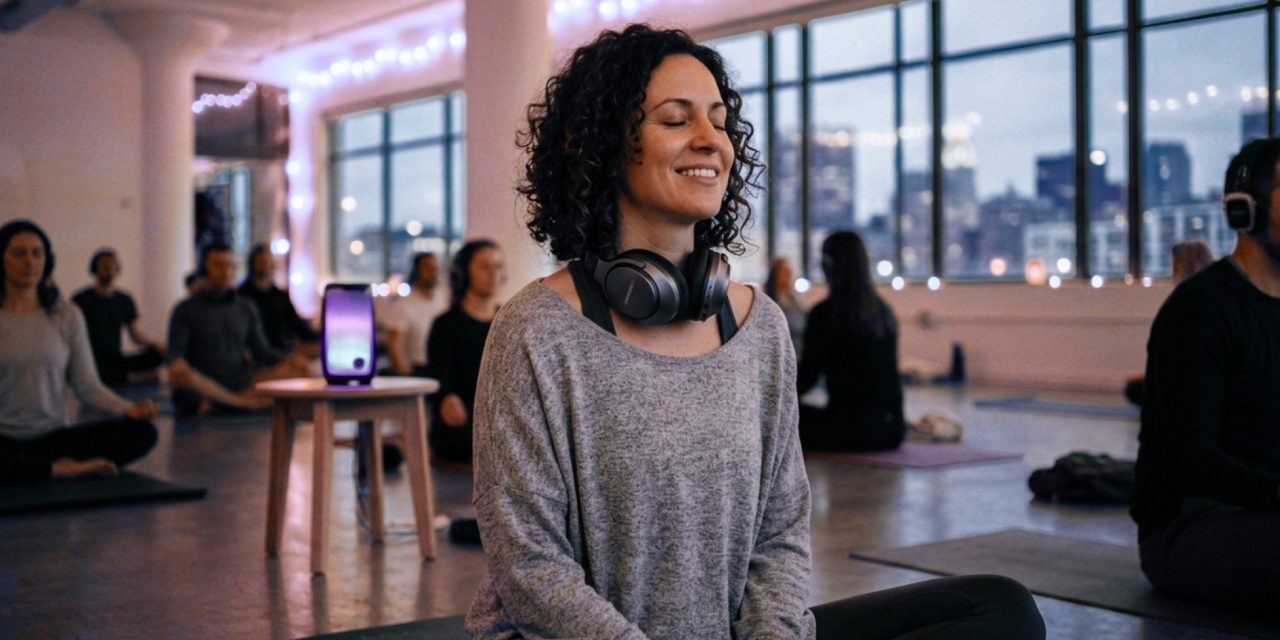
Wellness communities regularly use soulful electronic music during yoga sessions, meditation classes, and fitness programs because its melodic structure helps create energy without overwhelming the room. Corporate events and brand experiences have also embraced the genre for its uplifting and inclusive atmosphere.
Film and television producers increasingly lean on emotional electronic soundscapes to amplify key moments. A well-placed soulful EDM track can add tension, hope, nostalgia, or inspiration without distracting from the story itself.
What makes the genre particularly valuable is its flexibility. The same emotional depth that connects with festival crowds can also enhance a wellness retreat, a workout session, or a cinematic scene.
That versatility suggests soulful EDM has evolved from a niche genre into a broader cultural force.
Authenticity Is Driving the Next Wave of Growth
Technology continues opening new creative doors for producers.
AI-assisted production tools, advanced sound design platforms, and global collaboration opportunities allow artists to create music faster and connect with collaborators across continents. These innovations are helping push the genre into exciting new territory.
At the same time, audiences are craving authenticity more than ever. Listeners increasingly gravitate toward music that feels personal, emotional, and human rather than purely functional or trend-driven.
Festivals are responding by dedicating more space to melodic and emotionally driven electronic music. Streaming platforms now feature playlists focused specifically on uplifting, atmospheric, and soulful electronic sounds. Meanwhile, a new generation of producers raised on artists like Illenium and ODESZA continues blending genres and expanding what soulful EDM can become.
The result is a scene that feels both innovative and deeply connected to the emotional roots that made it successful in the first place.
Conclusion
Soulful EDM is no longer confined to clubs, festivals, or late-night playlists. Its emotional depth, adaptability, and universal appeal have allowed it to thrive across wellness spaces, entertainment, branded experiences, and everyday life.
As technology expands creative possibilities and audiences continue searching for genuine connection, soulful EDM appears uniquely positioned for long-term growth. The genre’s future won’t be defined solely by bigger stages or louder speakers, but by how effectively it continues helping people feel something meaningful.
Where do you think soulful EDM will make its next unexpected appearance—and could that new space change how people experience the genre altogether?
Follow DLK Soulful EDM for more insights into the artists, trends, and innovations shaping the future of emotional electronic music.
