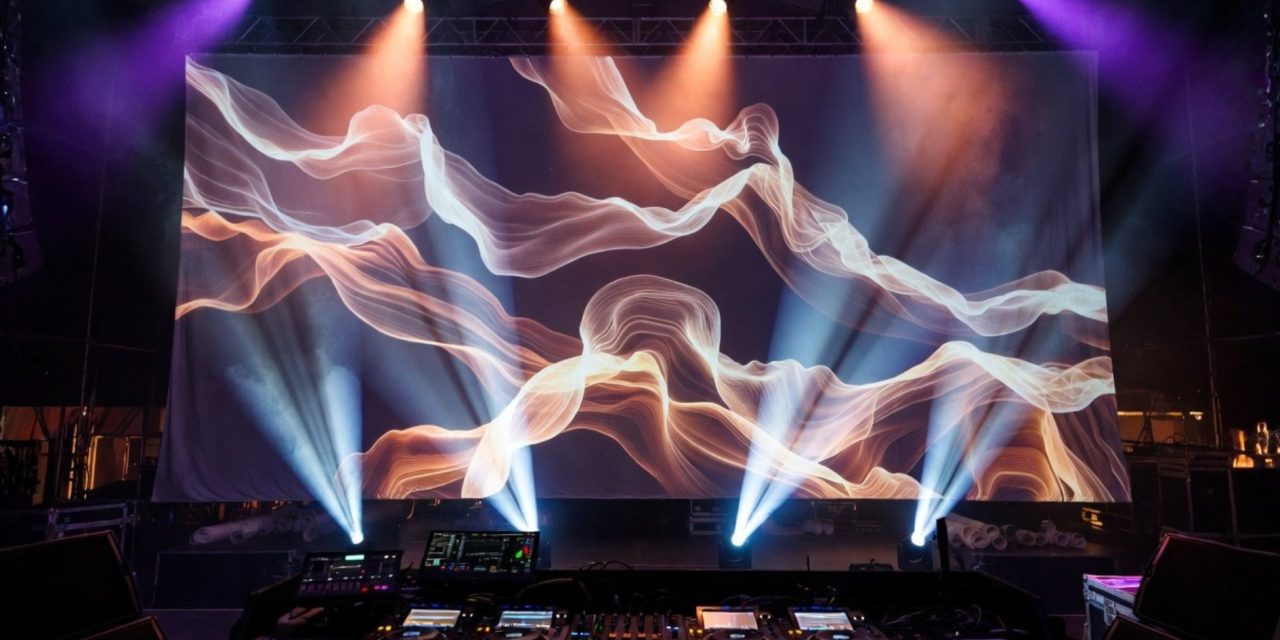
A stage can sound incredible, but if the visuals fall flat, the experience feels incomplete. That is why stage drops matter—they frame the performance, shape the mood, and quietly influence how audiences perceive the music. In soulful EDM, where emotion and atmosphere drive the entire experience, visuals are not just support—they amplify the feeling behind every drop and vocal.
The real challenge is balancing aesthetics with durability. A beautiful backdrop means nothing if it wrinkles, fades, or tears halfway through a tour. Getting the materials and construction right is what turns a good design into a reliable, long-term asset.
Fabric Choices That Shape the Look and Feel
Choosing the right fabric is the foundation of any stage drop. Each option brings its own character, and the decision often comes down to how the backdrop will be used over time.
Muslin works well for softer, atmospheric visuals. It absorbs dye easily and creates a matte, almost dreamy finish that suits intimate performances or smaller venues. The trade-off is durability—it is not built for heavy touring or repeated handling. For smaller Soulful EDM sets or lounge-style performances, this softer texture can actually enhance the emotional tone.
Canvas moves in the opposite direction. It is thicker, tougher, and better suited for high-traffic productions where gear is constantly being set up and torn down. The weight adds stability, but also increases cost and transport effort.
Polyester sits comfortably in the middle and often becomes the go-to choice. It resists wrinkles, holds color well, and supports high-resolution printing. Large-scale productions like The Lion King have leaned on polyester for exactly that reason—it adapts to complex visuals without sacrificing durability.
The key is alignment. A lightweight fabric might look perfect under controlled lighting, while a touring setup demands something that can survive repeated use without losing its visual impact.
Printing Methods That Bring Designs to Life
Modern stage visuals rely heavily on digital printing, and for good reason. It allows designers to create detailed, layered imagery with vibrant color accuracy—something older methods struggled to achieve.
Compared to traditional screen printing, digital techniques offer far more flexibility. Designers can experiment with gradients, textures, and intricate patterns without being limited by setup constraints. This is especially useful for productions that require custom visuals rather than repeated designs.
Software like Adobe Photoshop plays a crucial role here. Ensuring artwork is prepared at high resolution—typically 300 dpi—prevents blurring or pixelation when scaled to large backdrops.
A strong example of this approach can be seen in Hamilton, where digital printing helped achieve layered, visually rich stage environments. The detail is not just decorative—it supports storytelling and enhances immersion.
In practical terms, better printing translates to clearer visuals under stage lighting, which means the audience experiences exactly what the designer intended.
Durability and Maintenance for Long-Term Use
Even the best materials need proper care to stay performance-ready. Durability is not just about what you choose—it is about how you maintain it.
Routine cleaning makes a noticeable difference. Fabric drops respond well to gentle hand washing, while vinyl-based materials can often be wiped down quickly between uses. Ignoring maintenance leads to fading, staining, or texture damage that becomes hard to reverse.
Storage is equally important. Rolling stage drops onto sturdy tubes helps prevent creases, while climate-controlled spaces protect against moisture and temperature damage. Folding might save space short-term, but it often leads to long-term wear.
Minor damage is inevitable, especially in touring environments. Patch kits handle small tears effectively, but larger issues usually require professional repair to maintain visual consistency.
Well-maintained polyester drops have been known to last over a decade with minimal fading. That kind of lifespan turns an upfront cost into a long-term investment, especially for productions that rely heavily on consistent visual identity. For soulful EDM artists building a recognizable aesthetic, that consistency becomes part of their brand.
Wrap Up
Stage drops sit at the intersection of design and practicality. The right fabric sets the tone, the right printing method brings it to life, and proper maintenance ensures it keeps delivering show after show.
When all three align, the result is more than just a backdrop—it becomes part of the performance itself, reinforcing the music and elevating the overall experience.
What matters more to you in a live setup—the visual impact or how well those visuals hold up over time?
Let us know in the comments, and keep exploring performance design, stage aesthetics, and live experience insights only at DLK Soulful EDM!
