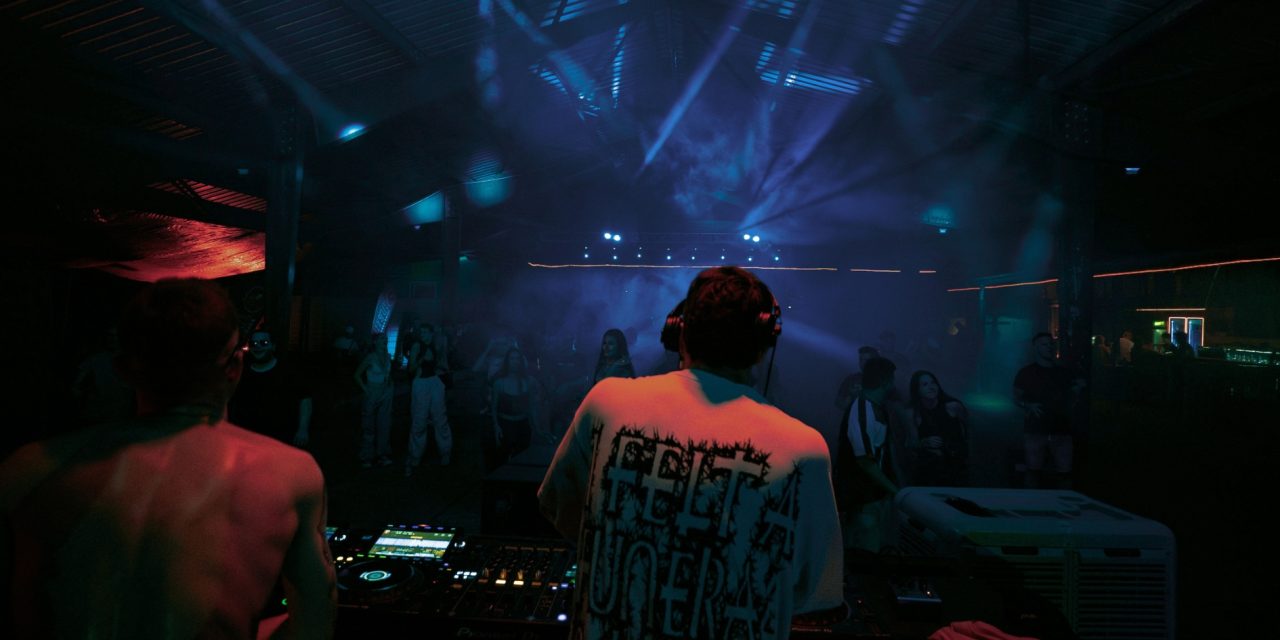
Soulful EDM did not just appear one day with perfect vocals and emotional drops. It has roots, history, and a bit of musical inheritance going on.
Think of it like a family recipe. Every generation adds something, but the base flavors stay the same. To really understand why soulful EDM feels the way it does, you have to go back to where the groove first learned how to move people.
Roots in Disco and House Music
The foundation starts with disco and house, two genres that understood rhythm and emotion long before EDM became a global force.
Artists like Donna Summer and Chic introduced structured basslines and layered arrangements that defined dance music’s emotional core. A track like I Feel Love pushed boundaries with its electronic sound, laying early groundwork for what would become house music.
That influence carried forward through pioneers like Frankie Knuckles and Larry Heard, who transformed disco’s groove into something more electronic and immersive. Knuckles’ track Your Love captures this shift clearly, blending warmth with emerging production techniques. As historian Tim Lawrence notes, the transition was not abrupt. It was a natural evolution, merging dancefloor energy with experimentation.
The Evolution Through the Decades
As the sound developed, the culture around it evolved just as quickly. The 1990s rave scene pushed ideas of community and shared experience, turning music into something collective rather than individual. That energy carried into the 2000s, where festivals like Tomorrowland and Coachella brought EDM to massive global audiences.
Artists such as Calvin Harris and Avicii helped shape this transition, blending melodic elements with large-scale production. Tracks like One Kiss showed how seamlessly EDM could merge with pop, expanding its reach without losing its core identity. This adaptability is what allowed soulful EDM to grow, absorbing influences while still holding onto its emotional and rhythmic roots.
Conclusion
The story of soulful EDM is really a story of evolution. From disco’s groove to house’s innovation and into today’s global festival culture, each phase has added depth to the genre. What remains constant is the focus on connection, whether through rhythm, melody, or shared experience. Understanding this history makes it clear that soulful EDM is not just a trend. It is the result of decades of musical conversation.
Which era of EDM do you think truly captured the soul of the genre best?
Let us know in the comments and keep exploring the roots and evolution of soulful sounds only on DLK Soulful EDM!
