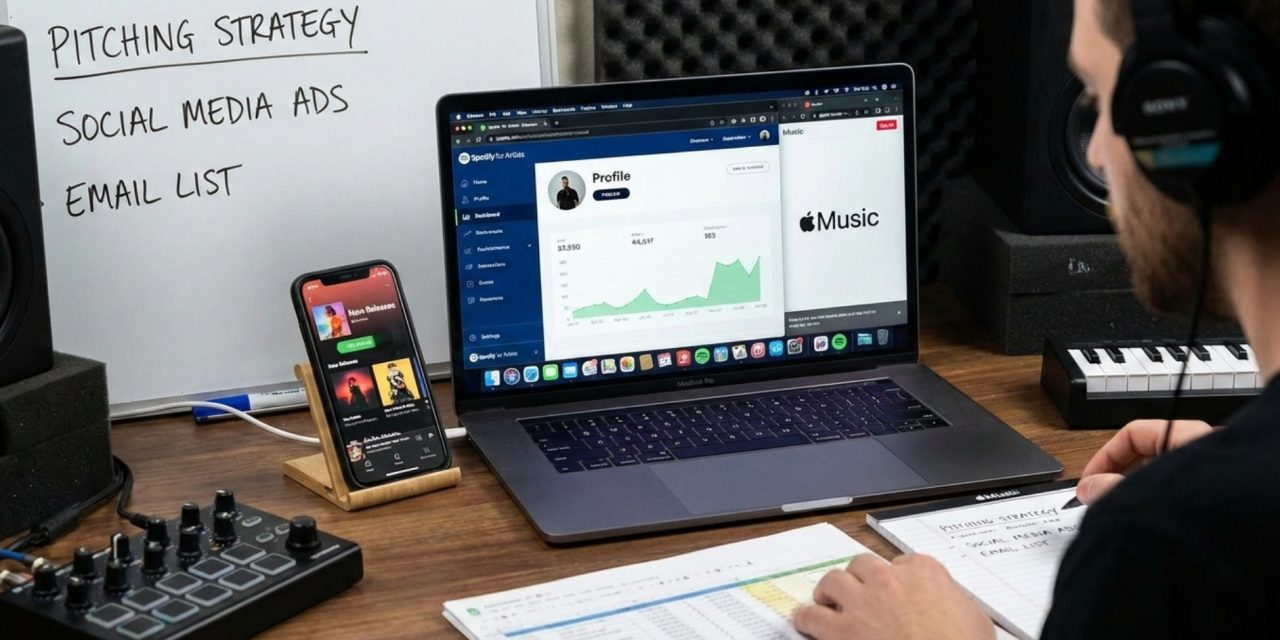
Finishing a track often feels like crossing the finish line, but in reality, it is only the midpoint. In today’s music ecosystem, distribution and promotion determine whether a polished record gets discovered or quietly disappears into the digital crowd. Great music still matters, but visibility now plays an equally critical role.
Artists are no longer competing only on sound quality. They are competing for attention, data insights, and algorithmic placement. Understanding how to distribute music efficiently and promote it strategically has become a core skill for independent and professional artists alike.
Leveraging Streaming Platforms for Reach and Data
Streaming platforms such as Spotify and Apple Music remain central to modern music discovery. With hundreds of millions of active listeners, these platforms offer reach that was previously impossible without major-label backing. However, visibility requires more than simply uploading a track.
Distribution services like DistroKid, priced at around $19.99 per year, allow artists to place music across multiple platforms quickly and consistently. This removes technical barriers and ensures releases remain accessible worldwide. Once distributed, playlist placement becomes a key growth lever. Reaching out to at least ten relevant playlists increases the chances of algorithmic traction and organic discovery.
Equally important is data. Spotify for Artists provides detailed insights into listener demographics, geographic performance, and repeat plays. Monitoring this data helps artists understand what resonates, when listeners engage most, and which tracks deserve additional promotion. Distribution without analysis limits long-term growth.
Using Social Media to Strengthen Fan Engagement
Social media remains one of the most powerful promotional tools when used intentionally. Platforms like Instagram and TikTok allow artists to communicate directly with listeners, humanizing the brand behind the music. Studies consistently show that interactive content can increase engagement by up to 50 percent.
Consistency matters more than volume. Posting three to five times per week keeps audiences engaged without overwhelming them. Scheduling tools such as Hootsuite, starting at approximately $19 per month, help maintain regularity while freeing time for creative work. Content that invites participation, including polls, short behind-the-scenes clips, or user-generated challenges, often performs better than purely promotional posts.
Collaborations also play a strategic role. Partnering with influencers or creators within a specific niche exposes music to aligned audiences. Tools like BuzzSumo assist in identifying potential collaborators and tracking trending conversations, ensuring promotional efforts remain timely and relevant.
Conclusion
Effective distribution and promotion are no longer optional skills for artists operating in a digital-first industry. Streaming platforms provide unprecedented access to listeners, but success depends on strategic placement, consistent data analysis, and sustained audience engagement. Social media bridges the gap between artist and listener, turning passive streams into active communities.
Artists who treat distribution and promotion as part of the creative process, rather than an afterthought, position themselves for long-term visibility and growth. In an industry driven by attention, clarity and consistency often matter as much as the music itself.
Are you releasing music without truly understanding how it reaches and retains listeners? Explore practical industry insights and smarter promotion strategies with DLK Soulful EDM!
