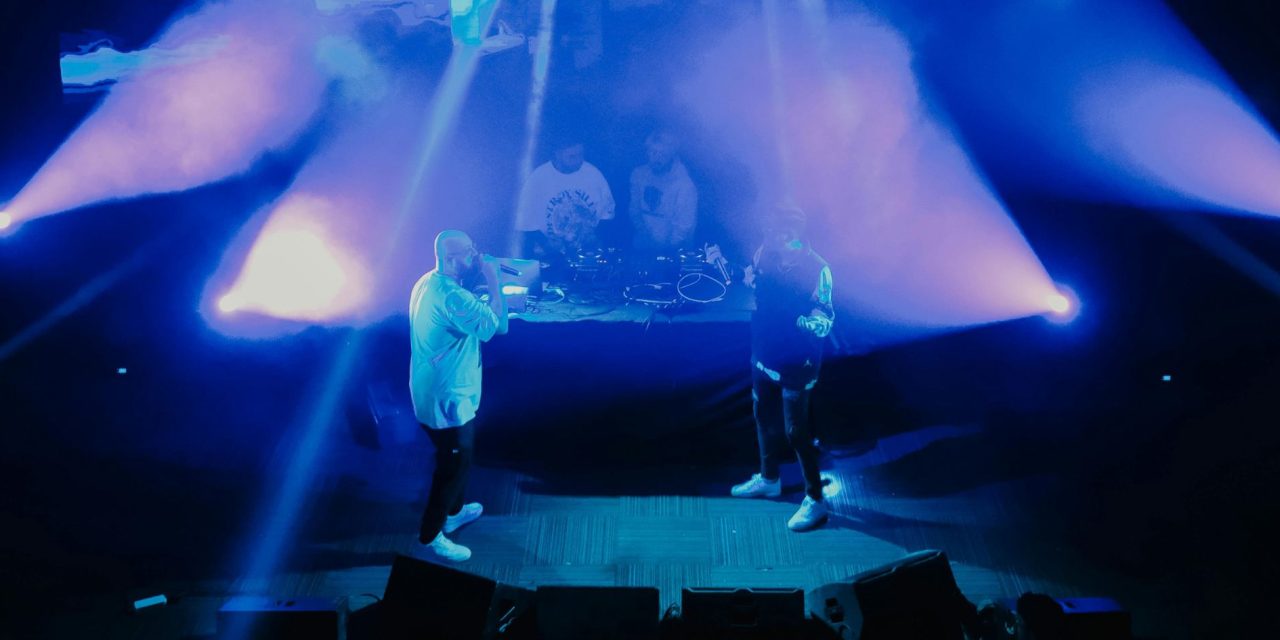
Vocal-first EDM is no longer just a style choice. It is quickly becoming the center of how many listeners experience the genre. A strong vocal can outlast the drop, carry the replay value, and even define an artist’s identity.
What is changing now is not just who is making this music, but how they are shaping it. With new artists entering the space and established names evolving their approach, the future of soulful, vocal-driven EDM looks less predictable and far more interconnected than before.
Artists Driving the Next Phase
A new wave of artists is pushing vocal-first EDM into more expressive territory.
ZHU continues to explore darker, mood-driven vocals that blur the line between electronic and alternative sounds. Alesso, on the other hand, leans into melodic clarity, crafting tracks where vocals feel expansive and emotionally direct.
At the same time, DJ Snake brings a cross-genre approach, blending trap, house, and vocal-driven hooks that travel easily across platforms like Instagram and TikTok. These spaces are not just promotional tools. They actively shape how songs are discovered and shared. Meanwhile, Kaskade has evolved by incorporating live vocalists into performances, creating more immersive and interactive experiences that deepen audience connection.
What ties these artists together is their focus on vocals as a central element, not an afterthought. They are building tracks where the voice carries narrative, emotion, and identity, aligning closely with the core of soulful EDM.
Collaborations and Genre Evolution
The next stage of vocal-first EDM will likely be defined by collaboration. When artists step outside their genre boundaries, the results often reshape the sound entirely. A clear example is One Kiss by Calvin Harris and Dua Lipa, where pop structure and EDM production merged into a global hit without losing either identity.
Artists like Imogen Heap have also shown how distinctive vocal styles can transform electronic production into something more experimental and emotionally layered. Looking ahead, platforms such as Splice and SoundCloud are making it easier for artists across genres to collaborate, exchange ideas, and refine their sound in real time.
This shift suggests that the future of vocal-first EDM will not belong to one style or scene. Instead, it will evolve through constant blending, where pop, electronic, and even hip-hop influences intersect. For soulful EDM, this means even richer vocal storytelling and broader emotional range.
Conclusion
Vocal-first EDM is moving toward a more collaborative and emotionally driven future. Emerging artists are redefining how vocals function within tracks, while established names continue to adapt and expand their sound.
As genres continue to overlap, the role of the vocal will only become more important, acting as the bridge between styles, audiences, and experiences. In many ways, the future of EDM will be shaped not just by beats, but by the voices that carry them.
Do you think EDM is heading toward becoming more song-driven than drop-driven?
Let us know in the comments and stay ahead of the shift with DLK Soulful EDM!
