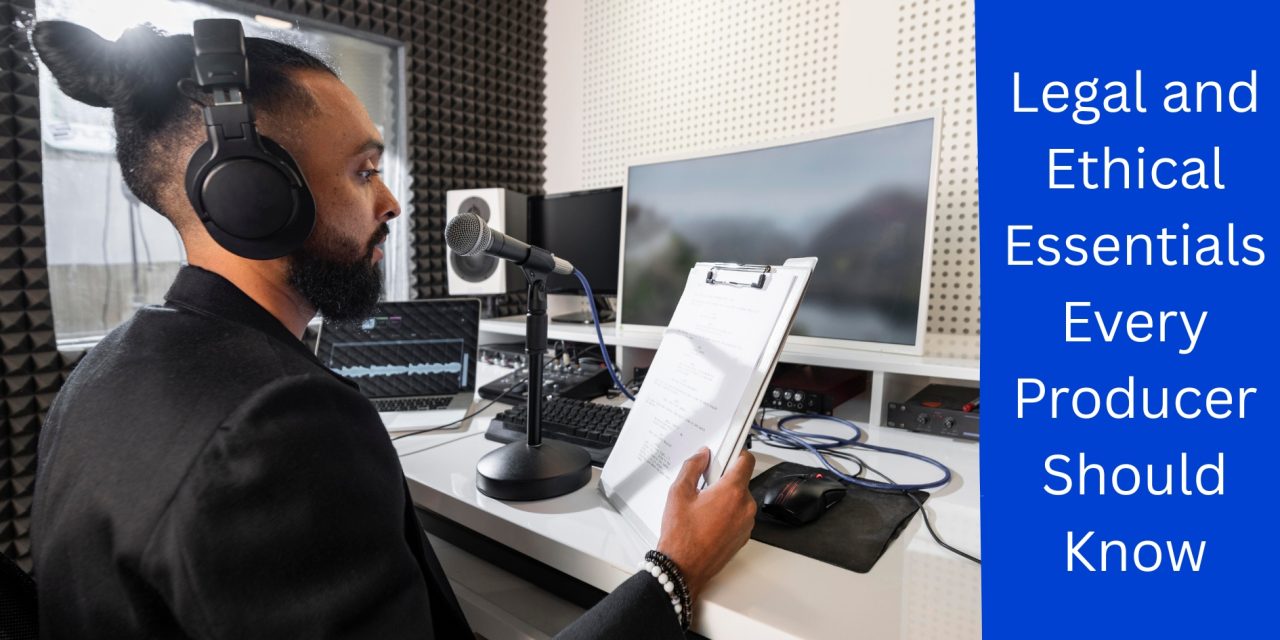
Sampling can feel like magic—pull a moment from one song, breathe new life into it, and suddenly you’ve built something fresh and fiery. However, behind that creativity lies a complex legal maze that even seasoned producers sometimes stumble over. One wrong sample, one missing permission, and suddenly your masterpiece comes bundled with lawsuits, takedowns, or some very unfriendly emails from copyright holders.
The good news? With the right approach, sampling can stay inspiring and compliant. Understanding the legal and ethical layers not only protects your work but also strengthens collaborations and opens doors to bigger, cleaner opportunities. Here’s how to navigate sampling without stepping on any legal landmines.
Copyright Issues in Sampling
Copyright law is the backbone of sampling—and avoiding it is not an option. Skip clearance, and you risk facing consequences that go way beyond a simple cease-and-desist.
One of the most famous cautionary tales is Vanilla Ice’s “Ice Ice Baby,” which lifted its bassline directly from Queen and David Bowie’s “Under Pressure.” The case led to a settlement and a permanent spot in music-law textbooks as an example of what not to do.
To stay protected:
- Research copyrights before touching any sample.
- Secure the required licenses from rights holders.
- Use clearance tools like DistroKid’s sample-clearing services to simplify the process and track permissions.
Clear samples = clean conscience + no surprise lawsuits eating your royalties.
Artist Collaborations and Permissions
When sampling from living artists—or contemporary catalogues—direct collaboration is often the smartest move. It not only keeps you legally safe but also builds relationships that can spark future cross-genre magic.
Start by sending a clear, professional proposal:
- Explain your project’s concept.
- Highlight how the sample enriches the track.
- Outline mutual benefits like exposure or revenue splits.
A great example? Disclosure and Sam Smith’s breakout collaboration, which grew from mutual respect and transparent communication. Their partnership led to chart-topping success and strengthened both artists’ profiles.
When it comes to revenue splits, be upfront. Fair percentages build trust, and trust leads to ongoing opportunities. Patience is key—permissions can take time, but they’re worth it.
Conclusion
Sampling isn’t just a creative tool—it’s a responsibility. Navigating legal and ethical standards ensures your work stays protected while opening doors to authentic, mutually beneficial collaborations. With careful research, clear communication, and respect for original creators, sampling becomes a pathway to innovation rather than a legal headache.
Which part of the sampling process do you find most challenging as a producer? Discover more insights, music-industry deep dives, and creative guidance at DLK Soulful EDM.
