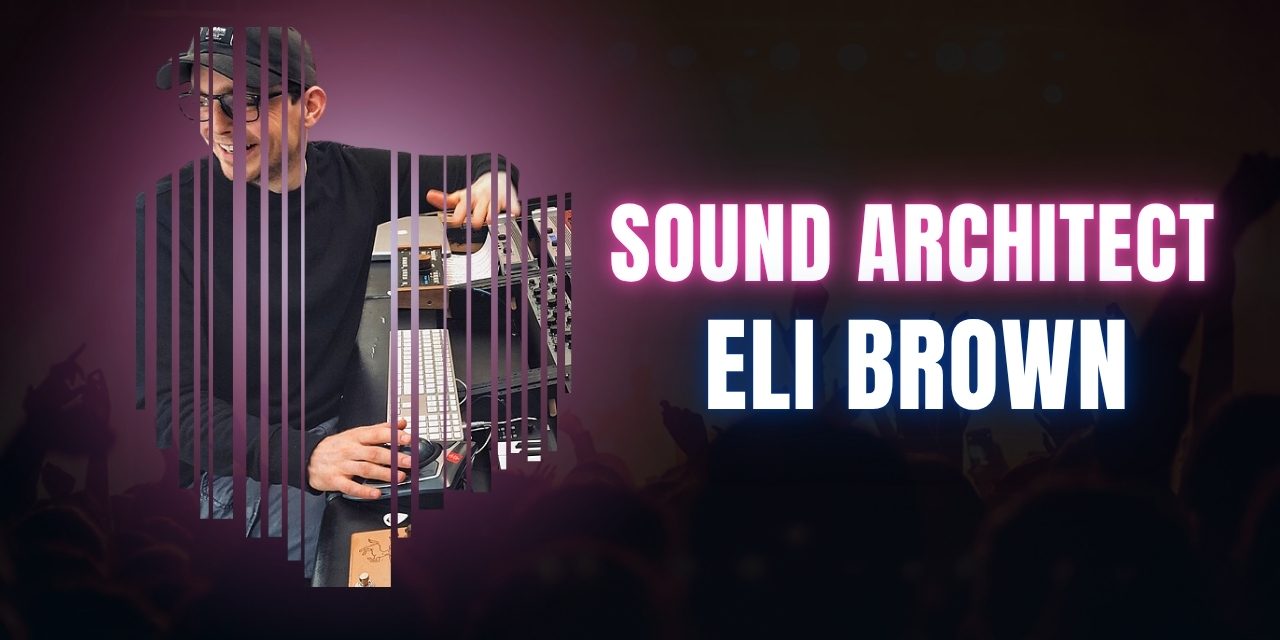
Genre blending isn’t new—but the way Eli Brown does it feels like someone finally upgraded the software. Instead of tossing techno, house and soul into a blender and hoping the texture is right, he treats each genre like a precise ingredient with its own purpose. The result? Tracks that punch, glide, and glow all at once.
And if you’ve followed his evolution across our previous breakdowns, you know Eli isn’t experimenting for the sake of novelty. He’s building a sonic identity that keeps DJs curious, producers inspired, and listeners borderline obsessed.
What makes his approach stand out is how deliberate it feels. The foundations are techno-steady, the soul infuses emotional color, and the house elements tie everything together with a warmth that never dilutes the intensity. It’s the kind of musical alchemy that feels both familiar and undeniably futuristic—like he’s reverse-engineering dance music and rebuilding it in high definition. This article digs deeper into that craft: the mechanics behind Eli’s hybrid sound.
Techno Meets Soul and House
Eli’s fusion works because he doesn’t treat genres like separate boxes. He treats them like flavors you can layer. The techno elements bring the pulse—tight percussion, hypnotic rhythms, and a low-end that locks you into motion. The soul influences add color and emotional texture, usually through warm chords or expressive vocal lines. House then smooths everything together, giving each track a glide that feels effortless.
“Luminous Rhythm” is the perfect example. It drives forward with a techno backbone, yet the nostalgic vocal phrasing softens the edges, making the track feel both urgent and human. Producers studying Eli’s approach often use Ableton Live to adjust tempo, key, or harmony to see how these components interact. Even small shifts can turn a rigid techno loop into something unexpectedly soulful.
Live instruments deepen the effect. A sax line blended into a late-night house break, or a vintage synth pushed through gritty techno processing, gives the music dimension. Eli uses these tools with restraint—never to distract, always to elevate. His arrangements show how cross-genre composition can create a more engaging, multi-layered listening experience.
Audience Reception and Critique
Listeners haven’t just embraced Eli’s genre-blending—they’ve amplified it. His audience growth across platforms reflects how deeply this hybrid sound resonates. More than 10 million Spotify streams in six months and a rising Instagram base are signals that his experimentation isn’t niche—it’s commercially magnetic.
“Back To You,” one of his standout tracks, has maintained extremely high ratings across fan-review sites, often hovering around 4.7 stars. Fans highlight the seamless marriage of electronic drive with acoustic warmth, calling it “instantly recognizable” yet “never predictable.” That balance—reliable but surprising—is part of why Eli’s engagement metrics keep climbing.
A 30% jump in social interactions on recent posts shows a fan base that isn’t passive; they’re invested, vocal, and eager for the next evolution. Critics note the same thing: Eli’s sound works because it respects each genre’s roots while confidently rewriting the rules.
Conclusion
Eli Brown’s genre blending isn’t a gimmick—it’s a carefully engineered artistic identity. By pairing techno energy with soulful emotion and house groove, he crafts tracks that feel alive, layered, and built for both dance floors and late-night headphones. And judging by listener response, the approach isn’t slowing down—it’s defining his momentum.
Which aspect of Eli’s blend hits you hardest—the rhythm, the soul, or the atmosphere? Explore more deep-dive breakdowns and artist insights at DLK Soulful EDM.
