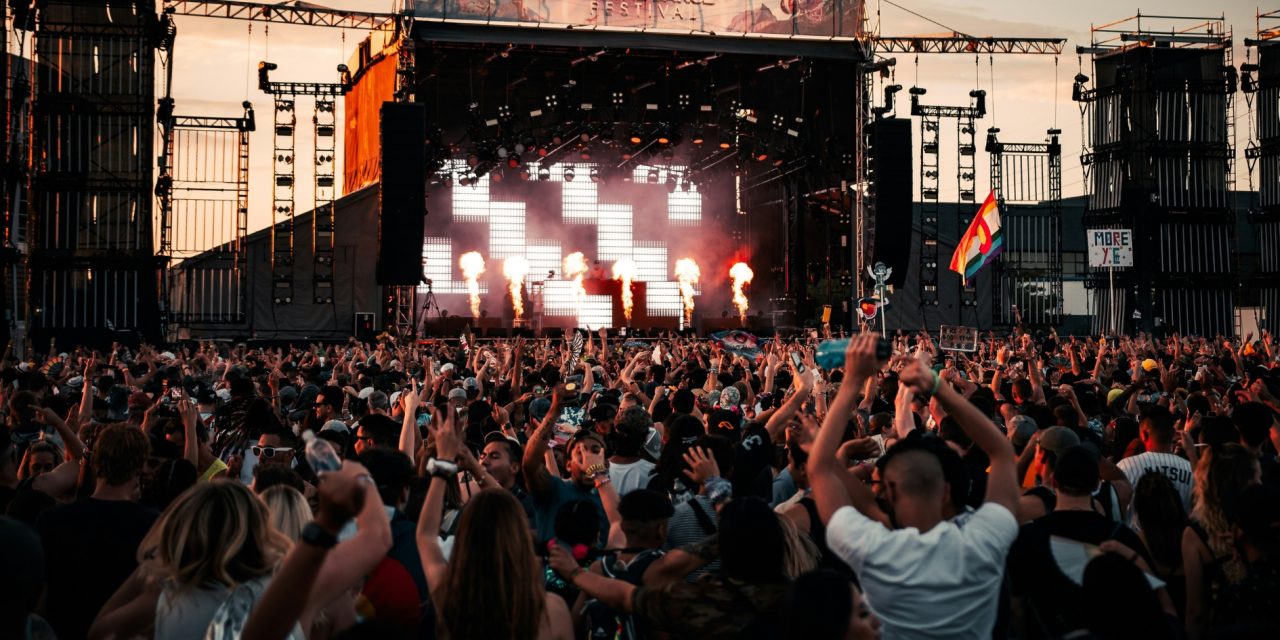
Picture this: thousands of people moving as one, but not just to the drop—to the meaning behind it. In 2026, festival crowds are no longer satisfied with surface-level hype. They want connection, storytelling, and moments that actually stay with them after the lights go down.
“Music with heart” is not just a phrase anymore—it is becoming the standard. As audiences evolve and attention spans shrink, emotional impact is what cuts through the noise. Let’s break down how this shift is shaping the modern festival experience.
Understanding the Audience Shift
Festival culture in 2026 reflects a deeper, more intentional audience. People are still showing up for energy, but they are staying for meaning. That subtle shift is changing everything—from lineups to stage design to how artists perform.
Demographics of Festival Goers in 2026
Recent trends show Gen Z continuing to dominate festival attendance, now pushing close to half of all ticket buyers, with Millennials following closely behind. These audiences grew up with streaming, short-form content, and constant digital noise—so when they attend a live event, they want something real.
Festivals like Coachella and Lollapalooza have leaned into this by expanding flexible ticketing, payment plans, and more inclusive experiences. Accessibility is no longer a bonus—it is expected.
At the same time, geographic influence still matters. Major cities continue to drive attendance, but digital culture has flattened discovery. Fans now travel for specific emotional experiences, not just big names.
Changing Preferences in Music Genres
The biggest shift is not just who attends festivals—it is what they want to hear.
Lineups in 2026 are increasingly genre-fluid. Events are no longer built around one dominant sound. Instead, they create emotional journeys across styles. A single day might move from alternative R&B to melodic techno to indie rock without feeling disjointed.
Artists like Billie Eilish and Fred again.. embody this shift. Their music blends vulnerability with production, proving that emotional storytelling works even in high-energy environments.
Even legacy acts like Metallica continue to appear alongside modern artists, creating contrast that keeps lineups dynamic. This mix encourages discovery while keeping audiences engaged across different moods.
Instead of chasing one genre, festivals now focus on emotional continuity—how each set feels, not just how it sounds.
Envolver
Festival crowds in 2026 are not abandoning energy—they are redefining it. The biggest moments are no longer just loud; they are meaningful. Whether it is a stripped-back vocal moment or a drop that carries emotional weight, audiences are responding to authenticity more than ever.
This shift challenges both artists and organizers to think beyond spectacle. Because in the end, the sets people remember are the ones that made them feel something real.
What kind of festival moment stays with you longer—the biggest drop or the most emotional performance?
Let us know in the comments, and keep up with evolving festival culture and emotionally driven sounds only at DLK Soulful EDM!
