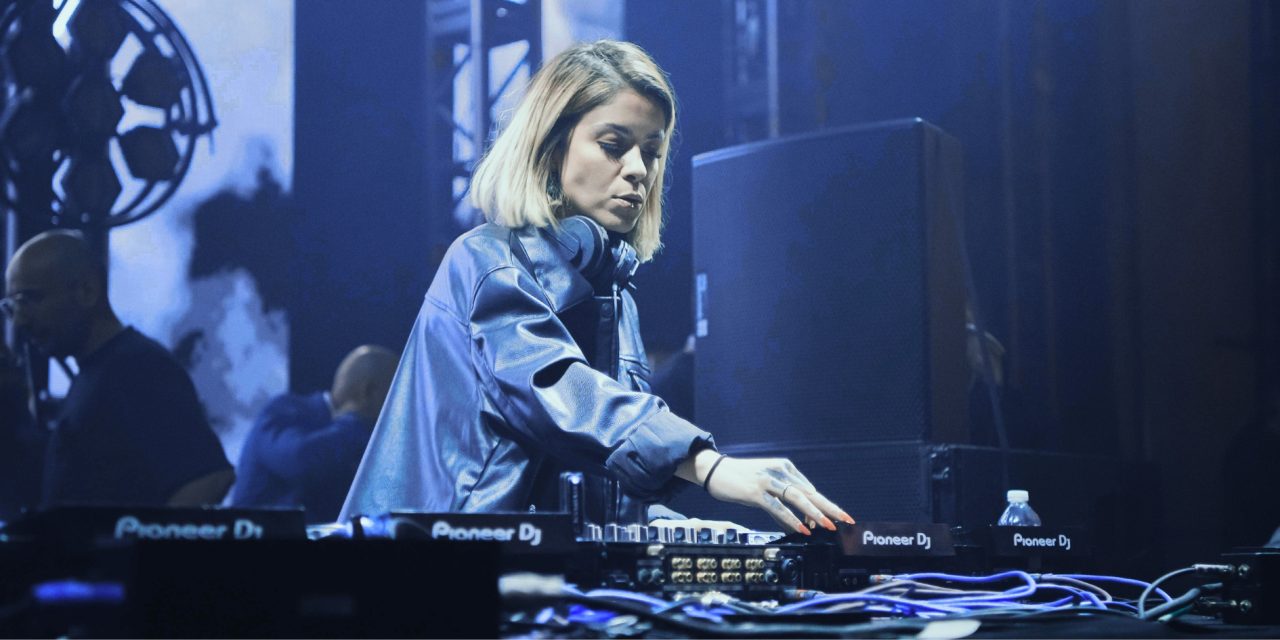
The rise of female voices in soulful EDM did not happen because the industry suddenly became fair. It happened because women kept showing up anyway. For years, electronic music spaces leaned heavily male, especially behind the decks, on festival lineups, and within label rosters. Soulful EDM, with its emotional depth and spiritual pull, felt like fertile ground for new voices, yet recognition often lagged behind talent.
What has shifted recently is not just visibility, but momentum. Conversations around representation are no longer side notes. They are shaping booking decisions, label strategies, and how audiences discover new music. The result is a scene that sounds richer, feels more honest, and finally reflects the diversity of the listeners who keep it alive.
Breaking Through a Historically Closed Industry
For many women in soulful EDM, the biggest challenge was never creativity. It was accessibility. Gatekeeping has long influenced who gets signed, booked, and promoted. Female producers and vocalists often had to work harder to be taken seriously, especially in technical roles tied to production and sound design.
That reality is changing, slowly but unmistakably. Artist-led collectives and advocacy organizations focused on women in electronic music are creating pathways that did not exist before. These spaces offer mentorship, collaboration opportunities, and visibility without forcing artists to dilute their sound or identity. Instead of asking permission, many women are building parallel ecosystems that feed directly into the mainstream.
The shift is also cultural. Audiences are more aware, more curious, and far less interested in recycled lineups that all look and sound the same. That pressure matters.
Labels, Festivals, and the Power of Intentional Visibility
Industry platforms have begun to recognize that diversity is not charity. It is fuel. Labels such as Anjunadeep and Monstercat have increasingly highlighted female artists across releases, playlists, and live showcases. This visibility signals something important: soulful EDM thrives when emotional range and lived experience are expanded, not narrowed.
Festivals are following suit. More balanced lineups are becoming a marker of credibility rather than a box to check. When women are booked consistently, not as exceptions, the genre evolves naturally. New sonic directions emerge. New audiences feel seen. The culture becomes more sustainable.
What makes this moment different is intention. These platforms are not just reacting to criticism. They are actively shaping a future where soulful EDM is defined by sound and spirit, not outdated industry norms.
Conclusion
The continued rise of women in soulful EDM signals more than progress. It signals possibility. As barriers lower and support systems strengthen, the genre gains depth, vulnerability, and emotional precision. These are qualities soulful EDM has always valued, now finally mirrored in who gets heard.
The future of the genre will not be driven by one sound or one face. It will be built by artists who bring their full selves into the music and are met with an industry ready to listen.
What changes have you noticed in how women are shaping soulful EDM today? Join the conversation in the comments and keep exploring the voices, sounds, and stories moving the culture forward only at DLK Soulful EDM.
