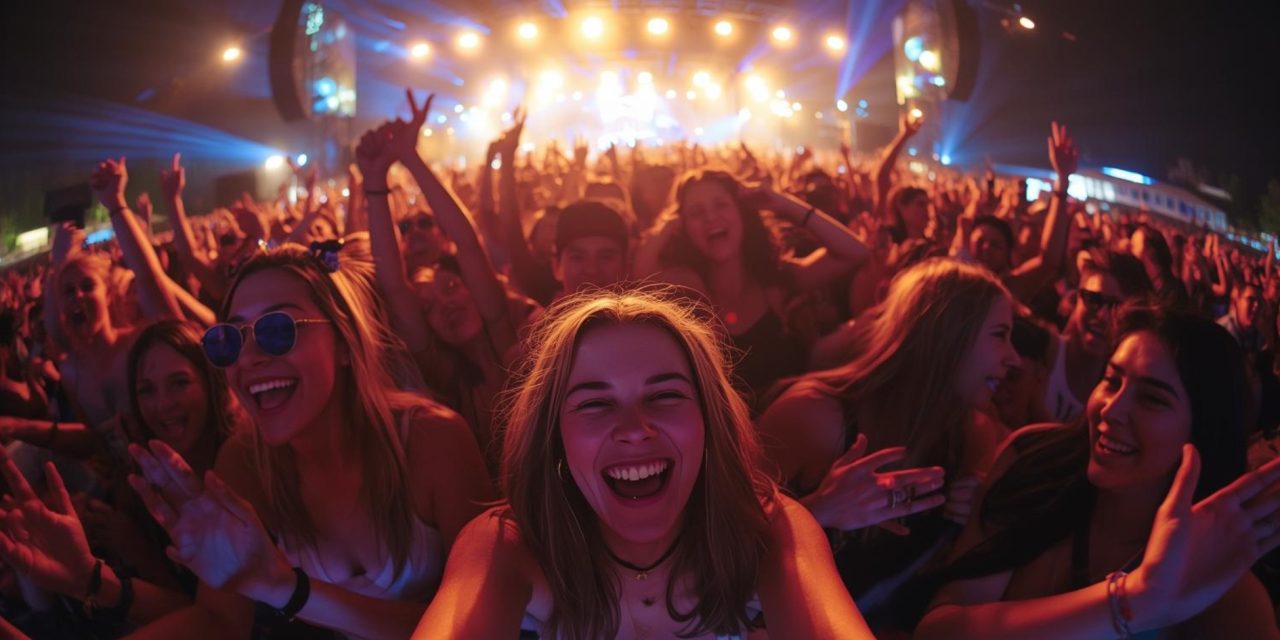
EDM festivals are often marketed through lineups, stages, and spectacle, but that is not what keeps people coming back year after year. What lingers long after the lights shut off is the feeling of being part of something shared, temporary, and deeply human.
In a space designed for sound and movement, festivals quietly become social ecosystems, where strangers sync energy, time, and emotion without needing an introduction. That sense of connection is not accidental. It is built into how festivals operate, how people participate, and how EDM culture understands belonging.
Shared Experiences and Collective Joy
Studies consistently show that live music environments amplify emotional states, with many festival-goers reporting increased happiness and a stronger sense of connection during events. This happens because festivals remove everyday social barriers. Dancing next to strangers, shouting lyrics in unison, and reacting to the same drop at the same moment creates instant alignment.
Communal rituals play a major role. Group dancing, shared sing-along moments, and interactive art installations turn passive listeners into active participants. Workshops, pop-up experiences, and collaborative art spaces further blur the line between audience and creator.
Even small moments, like sharing food or discovering an unfamiliar artist together, become bonding points. These shared experiences often outlast the event itself, with many attendees forming friendships that continue long after the festival ends.
Togetherness as a Core Value in EDM Culture
Togetherness is not a side effect of EDM culture; it is one of its foundations. Major festivals like Tomorrowland and Electric Daisy Carnival intentionally design environments that encourage interaction, curiosity, and collective participation. Tomorrowland’s immersive stages and global themes invite people from different countries into a single narrative experience, making cultural exchange feel natural rather than forced.
EDC approaches the community through play and exploration. Themed environments, roaming performers, and participatory art invite attendees to engage beyond the music. At the same time, smaller local raves often deepen this connection by prioritizing inclusivity and support for local artists. These intimate spaces foster trust, familiarity, and a sense of shared responsibility, reinforcing that community exists at every scale within the EDM world.
Conclusion
What makes EDM festivals meaningful is not just the music or the production value, but the way they temporarily rewire how people relate to one another. In these spaces, connection becomes effortless, shared emotion becomes the norm, and community forms without explanation.
Whether in massive global festivals or small local gatherings, EDM culture continues to prove that sound can create social glue. Long after the final set ends, that feeling of togetherness is what people carry home—and what draws them back again.
What moment at a festival made you feel truly connected to the people around you? Share it in the comments and keep exploring the deeper culture of EDM only at DLK Soulful EDM.
