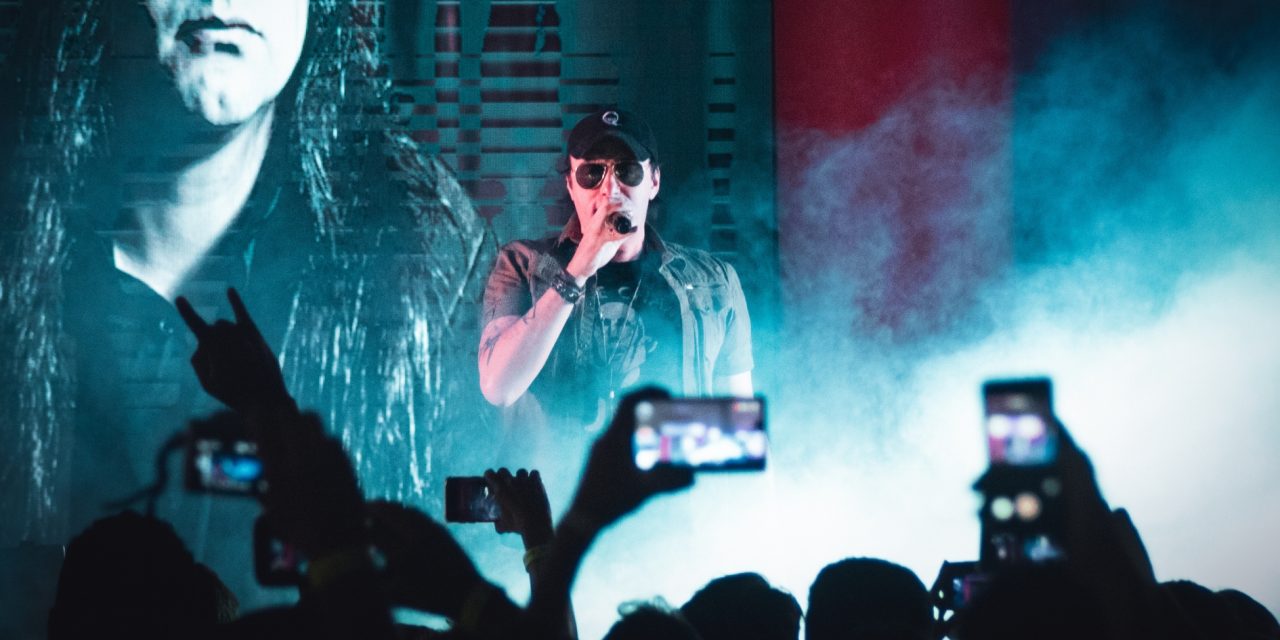
For years, EDM performances were built on control. Tempos never drifted, drops landed on schedule, and vocals stayed safely locked inside the track where nothing unexpected could happen. The idea of live singing on an EDM stage felt unnecessary at best and dangerous at worst, especially in front of tens of thousands of people who definitely notice when something goes off-script.
Yet as audiences matured, something changed. Perfection stopped feeling exciting, and live vocals began returning to EDM performances, not as a flaw, but as the very thing that made shows feel alive again. This article highlights some of the key artists driving this shift.
EDM Artists Redefining Performance Through Live Vocals
Several high-profile artists have helped normalize live vocals within electronic performances, changing expectations across festivals and tours. Dua Lipa and The Chainsmokers are notable examples, blending polished production with live singing that adds immediacy to their shows. The result feels less like pressing play and more like sharing a moment.
Ed Sheeran pushes this concept even further through live looping. By layering vocals, guitar, and rhythm in real time, he turns minimal setups into expansive performances. Festival appearances at events like Glastonbury prove that electronic elements and live vocals can coexist without sacrificing scale or impact. His approach demonstrates that audiences don’t need excess when authenticity is present.
How Live Vocals Transform the Festival Experience
Live vocals don’t just change how a performance sounds. They change how it feels. Billie Eilish’s performances with Finneas highlight this shift clearly. Their use of live harmonies creates intimacy, even in massive venues, allowing emotional nuance to cut through production-heavy arrangements.
The Weeknd’s Coachella performance offered another defining moment. His live vocal runs elevated the set beyond spectacle, reminding audiences that technical precision matters less when emotion lands properly. These performances reshape the atmosphere, pulling listeners out of passive consumption and into active emotional engagement. In EDM, where repetition is common, live vocals introduce unpredictability, and that tension keeps audiences locked in.
Conclusion
The rise of live vocals in EDM performances marks a broader evolution within the genre. Artists are no longer content with flawless execution alone. They want connection, risk, and presence. Live vocals bring vulnerability to electronic spaces, transforming shows into shared experiences rather than rehearsed routines. As more artists embrace this shift, the line between electronic and live performance continues to blur, and audiences are better for it.
When an EDM set feels unforgettable, is it the drop you remember, or the voice that made it feel alive? At DLK Soulful EDM, we explore how live vocals are reshaping electronic music’s most powerful moments.
