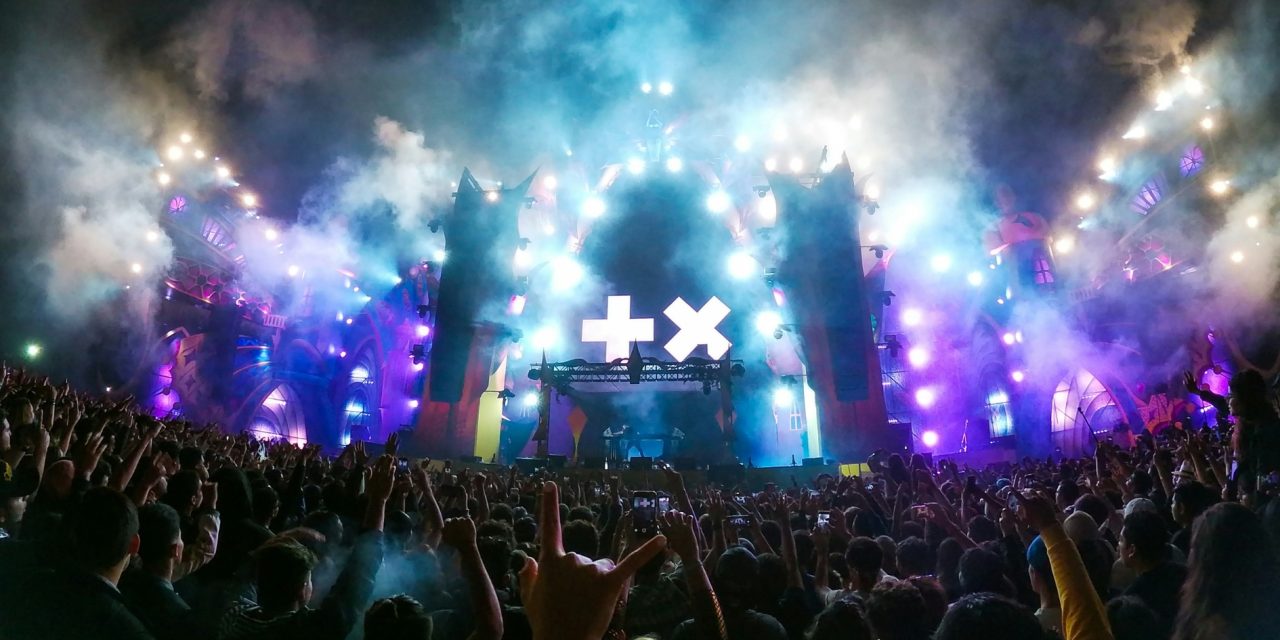
EDM and gaming have always shared a certain adrenaline—bright lights, big sound, and the thrill of getting completely lost in the moment. But as technology evolves, the two worlds aren’t just running parallel anymore; they’re merging. What used to be a fun crossover (a remix here, a soundtrack there) is quickly becoming a full-blown ecosystem where music and gameplay feed each other in real time.
This new wave isn’t just about cooler graphics or louder drops. It’s about experiences that blur lines—games that feel like concerts, concerts that feel like games, and digital spaces where players become part of the performance. With developers, DJs, and platforms all experimenting at once, EDM’s future inside the gaming universe is looking more immersive, more interactive, and more imaginative than ever.
Technological Advancements in Audio-Visual Experiences
Virtual and augmented reality are transforming how players feel EDM inside games. VR platforms like Oculus Quest let players step inside virtual clubs pulsing with synced light shows, giving at-home gamers the sensation of being front row at a festival.
Game engines such as Unity and Unreal Engine are pushing this even further by enabling interactive music systems. Players can adjust tempo, manipulate effects, or change the environment in response to sound—creating personalized EDM-driven gameplay moments that are as creative as they are thrilling.
Meanwhile, AR experiences (think the global phenomenon of Pokémon GO) hint at a future where music festivals spill into the real world. Imagine walking through a park where digital stages appear, beats react to your movements, and community events blend physical and digital crowds.
These technologies aren’t just upgrades; they’re gateways to richer, more immersive EDM-gaming hybrids that redefine how players engage with music.
Potential DJ Collaborations
As gaming grows into a major cultural platform, DJs and producers are stepping into the arena—literally.
Deadmau5’s collaboration with Rocket League paired exclusive car skins with a custom soundtrack, proving that artist-led integrations can elevate the gaming experience in ways that feel both stylish and meaningful.
Marshmello raised the bar even higher with his Fortnite in-game concert, drawing millions into a shared virtual performance that blurred entertainment, interaction, and spectacle.
Looking ahead, the possibilities get even more exciting:
VR-only concerts, limited-edition character skins designed by top DJs, in-game studios where players remix tracks in real time, and entire storylines built around electronic artists.
These partnerships don’t just entertain—they open new revenue streams, deepen fan loyalty, and create cultural moments that live far beyond the game.
Conclusion
As gaming consoles grow more powerful and EDM continues to expand its creative reach, the line between playing and experiencing keeps dissolving. Together, they’re shaping a future where interactivity, sound, and storytelling collide in ways we’ve never seen before.
Which upcoming tech shift do you think will change the EDM-gaming world the most? Explore more deep dives into the future of sound and virtual culture at DLK Soulful EDM!
