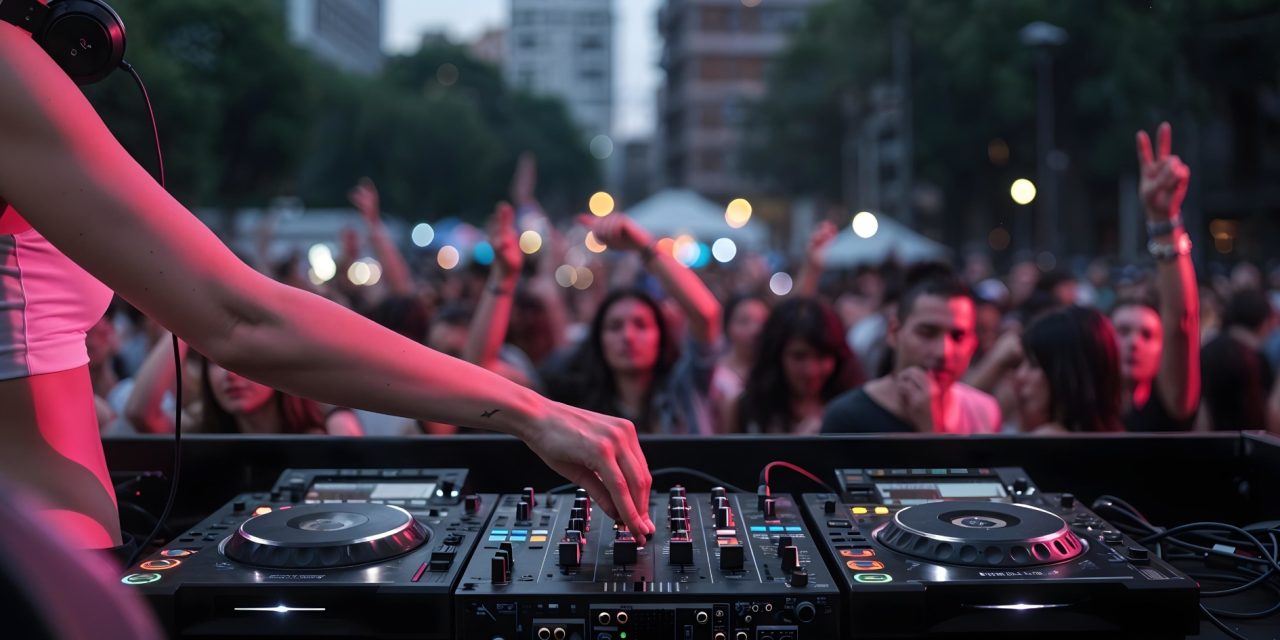
Transitioning from downtempo warmth into peak-time energy is one of the trickiest — and most underrated — skills in soulful EDM. One wrong move, and your crowd goes from “vibing beautifully” to “checking their phones.” But when the shift is done right? It feels like someone slowly turned the world from sunset gold to neon purple.
This article focuses on bridging that stylistic gap between Chill Soulful EDM and Dance-leaning peak-time sections, giving you practical techniques, real-world examples, and the musical logic behind each choice. Expect value, coherence, and just enough subtle humor to keep things human — because even DJs need a gentle laugh between cue points.
Mixing Techniques for Smooth Transitions
Moving from Chill to Dance sections without disrupting the vibe requires more than basic beatmatching — it needs intention. Smooth transitions depend on aligning tempo, harmony, and tonal energy so the audience experiences the rise naturally rather than abruptly.
Start with BPM proximity. When moving from a 90 BPM chill track into the dance territory, aim for something around 94 BPM to avoid jarring jumps. Software like Traktor and Serato handles analysis and cue placement, but your real tool is listening for groove compatibility. A downtempo track with syncopated percussion will often merge more cleanly with a dance track featuring similarly phrased rhythms.
Key matching also matters. A Chill track in C major slides comfortably into a Dance track in a compatible key such as G major or A minor, maintaining emotional continuity. Once your musical components align, use gradual volume fades or gentle filter sweeps to lift the energy without shocking anyone’s nervous system. The goal: transitions so smooth the audience thinks the set is breathing.
Creating a Cohesive Set
A cohesive set doesn’t rely on random technique — it relies on narrative. Listeners should feel like they’re traveling through moods rather than being thrown between them. Tools like Mixed In Key help you identify compatible keys and energy markers, letting you stack tracks within a narrow range of 4 BPM while maintaining tonal synergy.
For example, pairing a deep house track in A minor at 124 BPM with a melodic techno selection in A minor at 126 BPM creates a rising arc without losing the soulful undertones that define your style. You’re nudging the energy forward, not catapulting it.
Strategic contrast also strengthens your arc. A breathier, vocal-heavy track can transition into a more percussive, driving one to build anticipation. When used sparingly, this contrast amplifies tension and release — the emotional DNA of a great soulful EDM performance. With the right sequencing, your set becomes a story: peaceful beginnings, rising momentum, and a confident, unified peak.
Conclusion
Soulful EDM thrives on emotion, texture, and pacing — which makes transitions between downtempo and dance-oriented moments incredibly important. By pairing BPM proximity with harmonic alignment and energy-aware sequencing, you create DJ sets that feel cohesive, intentional, and deeply atmospheric.
Even subtle adjustments, like a delayed filter sweep or a carefully chosen key shift, can completely reshape the audience’s emotional trajectory. When the build feels natural, the payoff feels earned — and that’s how memorable nights are made.
How will you shape the emotional journey of your next set? Explore more soulful transitions, mixing approaches, and creative DJ insights at DLK Soulful EDM, where every track choice becomes part of a deeper story.
