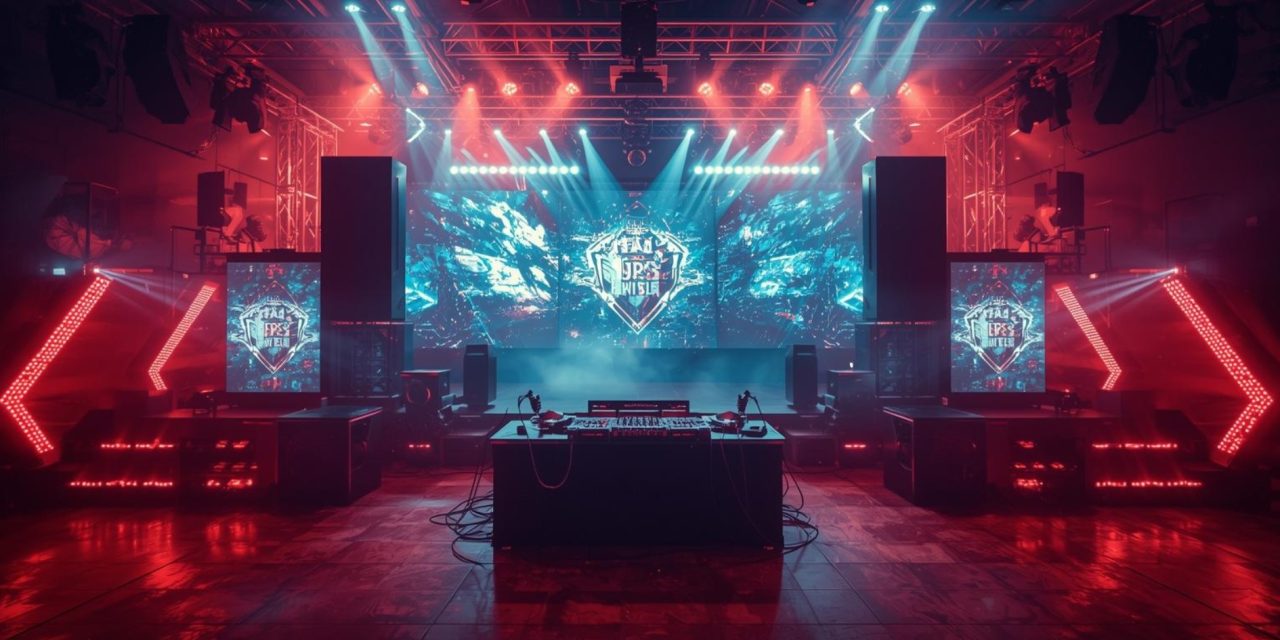
Most people think EDM is just for clubs, festivals, and that one friend who refuses to lower the volume. But in game design, EDM has quietly become a design tool—one that shapes timing, tension, player focus, and even the emotional arc of entire levels. When music reacts to your choices and your choices react to the beat, gameplay stops feeling like “input plus output” and starts feeling like choreography.
This article breaks down how developers use EDM to turn ordinary mechanics into compulsive, sensory-rich experiences.
Player Engagement Through Music That Moves
Electronic dance music fuels engagement because its structure naturally drives momentum. Research shows a 30% spike in player engagement when EDM shapes the game’s audio environment. High tempos sharpen attention. Clear rhythmic pulses help players anticipate movement. Rising builds create emotional tension.
This is why titles like Beat Saber feel so addictive. The music doesn’t sit in the background—it directs your timing, posture, and emotional intensity. With tools like FMOD and Wwise, developers can map musical phrases to in-game states. A bass swell might trigger during a boss wind-up. A drop might coincide with a successful dodge.
These dynamic relationships create a loop where the music rewards you, pushes you, and sometimes even warns you. The result is a gameplay experience that feels alive, energetic, and worth replaying again and again.
Innovative Mechanics Born From Rhythm and Energy
Rhythm-based mechanics aren’t new, but EDM has expanded what they can become. In Crypt of the NecroDancer, movement must sync to the beat. This rhythm requirement transforms basic walking into a strategic dance, raising the stakes of even the simplest encounters.
Beat Saber builds an entire language of slashes, angles, and reactions on top of fast-paced techno. Each beat creates a target, and each target builds the flow state. Meanwhile, Thumper uses EDM-inspired sound design—bass hits, metallic pulses, and distorted swells—to build a sense of speed and dread.
Players aren’t just reacting; they’re interpreting sound as instruction. By syncing mechanics to EDM’s patterns, developers elevate routine actions into kinetic challenges. Players sharpen timing, learn musical cues, and develop instincts that blend hearing with action. It’s game design powered by rhythm, not just visuals.
Conclusion
EDM isn’t just soundtrack material—it’s a design framework. It shapes tension, guides timing, powers mechanics, and anchors player emotion. When music becomes part of the gameplay system, players don’t just participate. They perform.
What game could you transform simply by letting the beat drive the mechanics? Explore more insights at DLK Soulful EDM—your space for decoding how music reshapes digital worlds.
