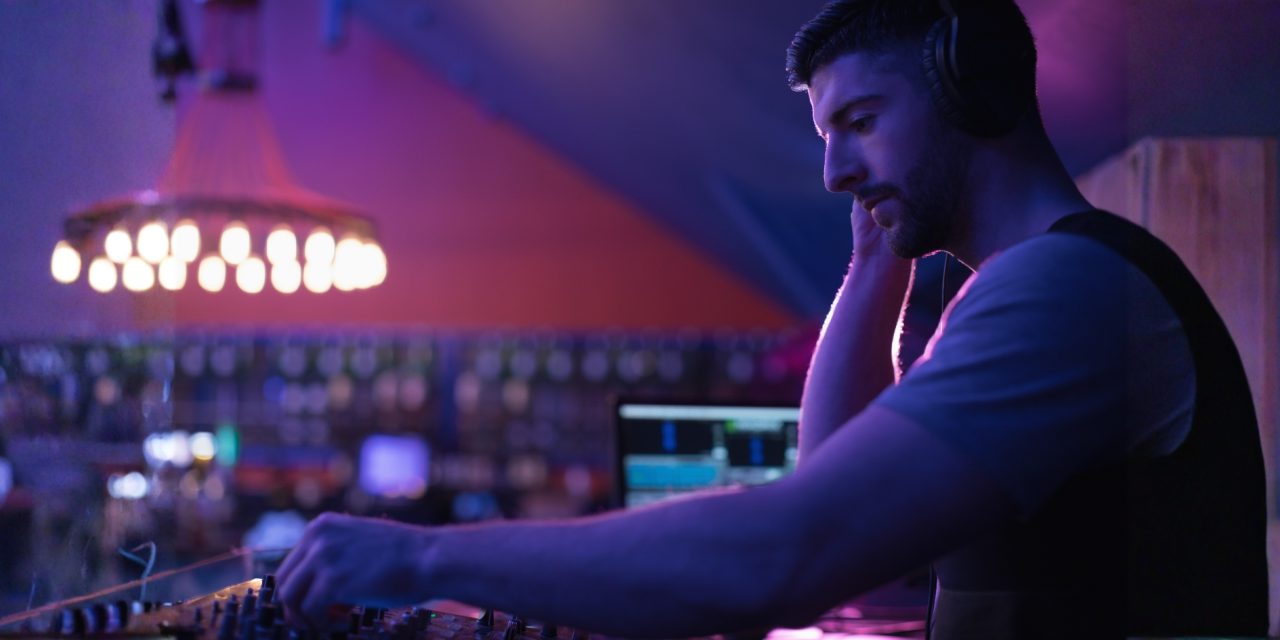
EDM has always been good at moving bodies, but in 2026, more producers are asking a quieter question: can a track move the mind too? Mindful EDM doesn’t abandon energy or groove; it simply treats sound as something that guides emotion rather than overwhelms it. This shift has pushed producers to think less about excess and more about intention.
This article explores practical production techniques shaping mindful EDM today. From layered sound design to nature-inspired textures, these approaches show how electronic music can support introspection, emotional balance, and immersive spiritual listening experiences without losing its electronic edge.
Layering Sounds for Depth and a Conscious Sonic Experience
Thoughtful layering sits at the heart of mindful EDM production. Instead of stacking sounds for sheer loudness, producers focus on how each layer contributes to emotional flow and spatial depth. Pads, arpeggios, and ambient textures work together to create movement that feels organic rather than forced.
A common approach begins with a warm, sustained pad set low in the mix to establish emotional grounding. Plucked arpeggios are then introduced sparingly to add motion and gentle uplift. Synths like Serum and Massive are especially effective here, offering precise control over tone, modulation, and harmonic movement.
Ambient layers can further deepen the experience. Plugins such as Omnisphere allow producers to build evolving soundscapes that feel expansive without crowding the mix. Reverb and delay play a crucial role, not as decoration, but as tools for creating space, continuity, and a sense of breath between elements. When layered with intention, these sounds invite listeners into a journey rather than pushing them toward a peak.
Using Nature-Inspired Sounds to Anchor Emotional Flow
Nature-inspired sounds have become a defining element of mindful EDM, adding calm, familiarity, and grounding to electronic arrangements. Environmental samples like rain, wind, or subtle water textures help balance synthetic elements and soften transitions throughout a track.
Platforms such as Splice provide high-quality nature recordings that integrate easily into modern DAWs like Ableton Live or FL Studio. Once imported, these sounds can be shaped with reverb, filtering, and delay to blend naturally into the musical environment rather than sit on top of it.
Producers often automate volume and effects during breakdowns, allowing nature sounds to surface briefly before receding again. A gentle rain texture beneath a bassline or a filtered breeze behind a melody can subtly shift emotional perception without distracting the listener. Used carefully, these elements enhance immersion and reinforce the reflective tone that defines mindful EDM.
Conclusion
Mindful EDM production is less about reinventing electronic music and more about refining how sound is used. By focusing on intentional layering and nature-inspired textures, producers create tracks that feel spacious, calming, and emotionally resonant. These techniques encourage listeners to engage more deeply, whether through headphones, meditation spaces, or late-night listening sessions.
As spiritual and wellness-focused electronic music continues to grow, producers who prioritize emotional clarity over sonic excess will shape the future of the genre. Mindful EDM proves that electronic music can still be powerful, even when it chooses to breathe.
Have mindful production techniques changed how EDM supports your focus, reflection, or emotional state? Share your thoughts and keep exploring soulful, intentional electronic soundscapes only at DLK Soulful EDM.
