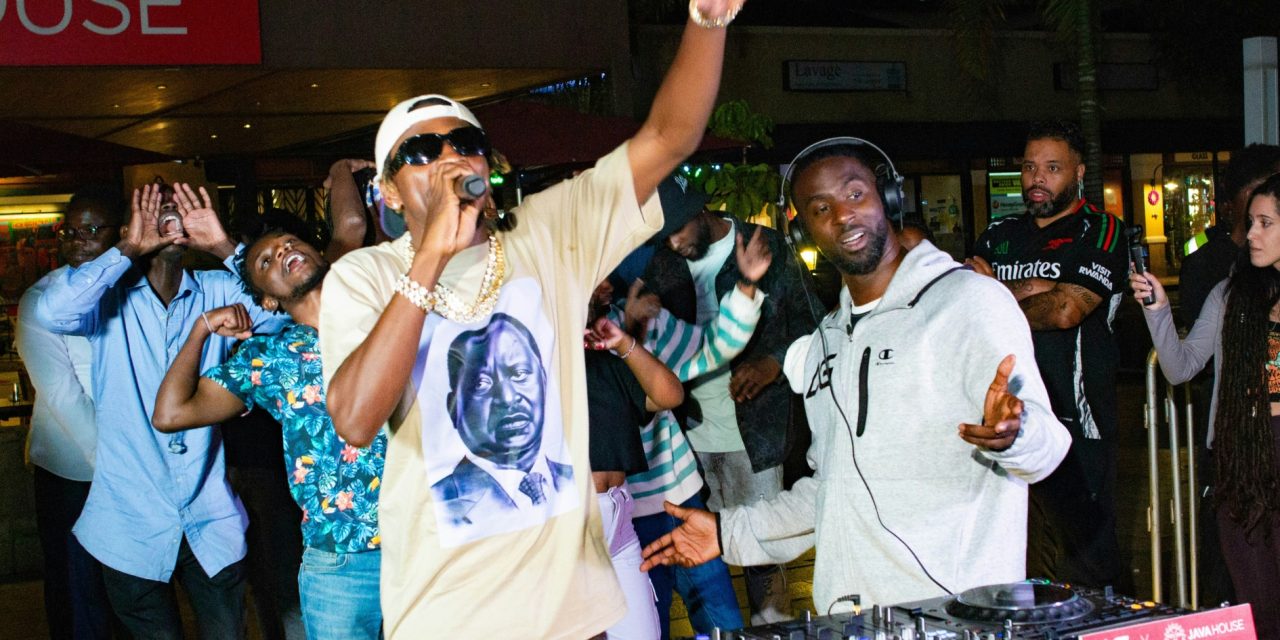
Electronic music has always loved a good rhythm. But when African grooves meet Latin percussion, things move from good to unforgettable. Suddenly the beat feels bigger, warmer, and impossible to ignore.
This rhythmic crossover is becoming one of the most exciting forces in modern EDM. Producers are blending Afrobeat patterns, Latin melodies, and electronic production to create tracks that celebrate cultural exchange while still hitting global playlists.
The result is a vibrant sound that feels both traditional and futuristic. It’s proof that when musical cultures collaborate, the dancefloor—and the listener—wins.
Fusion of African and Latin Rhythms
The fusion of African and Latin rhythms has created a distinctive sound within EDM, producing vibrant tracks that celebrate cultural diversity and rhythmic innovation.
This blend enriches the music while reflecting how different cultural influences can come together to shape modern electronic soundscapes.
Collaborative Artists and Projects
Artists such as Diplo and Major Lazer demonstrate how powerful cross-cultural collaboration can be. Their projects often combine African rhythmic traditions with Latin musical energy, creating tracks that travel easily across borders and playlists.
A strong example is Major Lazer’s “Propaganda,” featuring Brazilian artist Anitta. The track blends reggaeton rhythms with Afrobeat grooves, showing how traditional elements can merge with contemporary EDM production.
Similarly, renowned producer Black Coffee has collaborated with several Latin American artists. His work frequently highlights Afro-house structures infused with Latin percussion, producing tracks that feel both rooted in tradition and modern in execution.
Much of this experimentation happens inside production environments like Ableton Live, where producers can layer rhythms, test arrangements, and collaborate in real time. Technology like this makes genre-blending smoother and encourages producers to push creative boundaries.
Case Studies of Successful Tracks
Several global hits illustrate how African and Latin rhythmic fusion can resonate with worldwide audiences.
Tracks such as “Taki Taki” and “Shape of You” demonstrate how producers integrate polyrhythmic African percussion with Latin-inspired melodies to craft music that feels rhythmically rich and commercially appealing.
For example, “Taki Taki” layers energetic reggaeton beats with percussion textures inspired by African drum traditions. This combination produces a vibrant rhythmic foundation that captures listeners immediately.
Producers typically build these complex grooves using digital audio workstations (DAWs) like Ableton Live or FL Studio. These tools allow them to manipulate rhythmic loops, adjust timing, and merge traditional percussion with electronic sounds.
The strategic fusion of these musical elements enhances listener engagement while aligning perfectly with global streaming trends. When executed well, it results in tracks that feel culturally authentic while still thriving in the modern EDM ecosystem.
Conclusion
The blending of African and Latin rhythms in EDM highlights how global music continues to evolve through collaboration and cultural exchange. By combining polyrhythmic percussion, melodic Latin influences, and modern production tools, artists are creating music that feels vibrant, inclusive, and forward-thinking.
As producers explore these rhythmic traditions further, this fusion will likely continue shaping the sound of electronic music. The result is a genre that not only moves the dancefloor but also reflects the richness of musical cultures coming together.
Which EDM track do you think blends African and Latin rhythms best?Share your favorites in the comments and keep exploring the global rhythms shaping Soulful EDM at DLK Soulful EDM.
