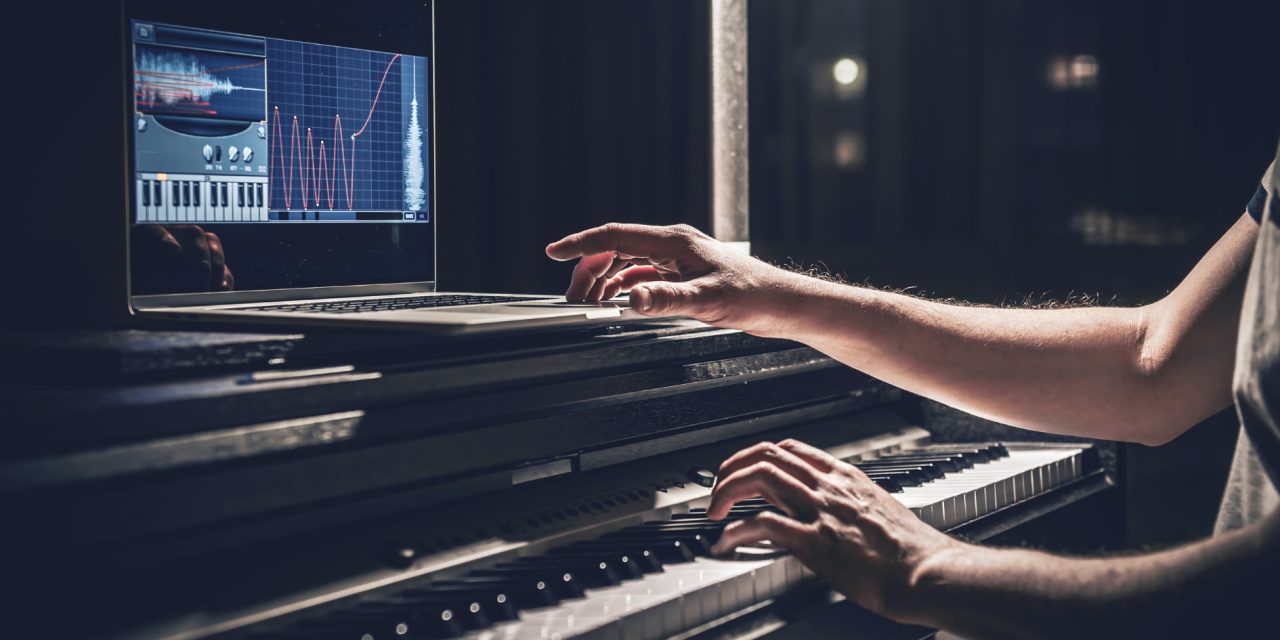
Music composition is entering a new phase — one where technology doesn’t just assist creativity, it actively expands it.
From adaptive basslines to immersive sound environments, emerging tools are reshaping how composers build emotional journeys. The future isn’t about replacing musicians. It’s about extending what they can imagine.
And much of that evolution is happening in the low end.
Basslines as Dynamic Storytelling Devices
Basslines are becoming more adaptive and emotionally responsive.
Imagine a composition where the low end subtly shifts as the mood intensifies — deepening in texture during moments of tension, lightening during reflective passages. With intelligent tools assisting arrangement, composers can design bass movements that mirror narrative arcs more fluidly than ever before.
This pushes bass beyond rhythmic support. It becomes an emotional narrator.
The culture of bassline composition is also expanding. Producers are blending synthesized sub-bass with organic textures, layering live instrumentation with digital modulation. AI-assisted workflows make it easier to test these hybrid approaches without sacrificing cohesion.
The result is more intricate, immersive low-end architecture.
Immersive Audio and Emotional Depth
Technological advancement isn’t limited to composition software. Spatial and immersive audio formats are reshaping how listeners experience music.
As multi-dimensional audio environments grow more accessible, composers are thinking beyond left and right channels. Bass frequencies can now be positioned, diffused, or emphasized in ways that heighten physical sensation and emotional impact.
In this context, sonic exploration becomes experiential. The listener isn’t just hearing a progression — they’re inside it.
When AI-generated adaptability intersects with immersive playback environments, the potential for emotionally driven sound design expands dramatically.
Expanding Creative Possibility
These innovations streamline the technical side of composing while widening the emotional palette available to artists. Instead of spending hours building structural scaffolding, musicians can focus on refining texture, storytelling, and dynamic shifts.
The future of composition will likely be defined by collaboration — not just between artists, but between artists and intelligent systems. Those who embrace these tools as creative partners rather than shortcuts will unlock deeper, more layered soundscapes.
Basslines will not simply anchor tracks. They will evolve with them.
Conclusion
The next era of music composition is not about automation replacing artistry. It is about amplification — giving composers more ways to explore emotion, depth, and sonic narrative.
With AI tools like Amper and AIVA enabling rapid experimentation and immersive technologies expanding listening experiences, the boundaries of musical storytelling are stretching outward.
And in that expanding landscape, the low end may become the most expressive voice of all.
If technology could expand your emotional range as a composer, how would you use it? Stay connected with DLK Soulful EDM as we continue exploring the tools and trends redefining music creation and the future of sound.
