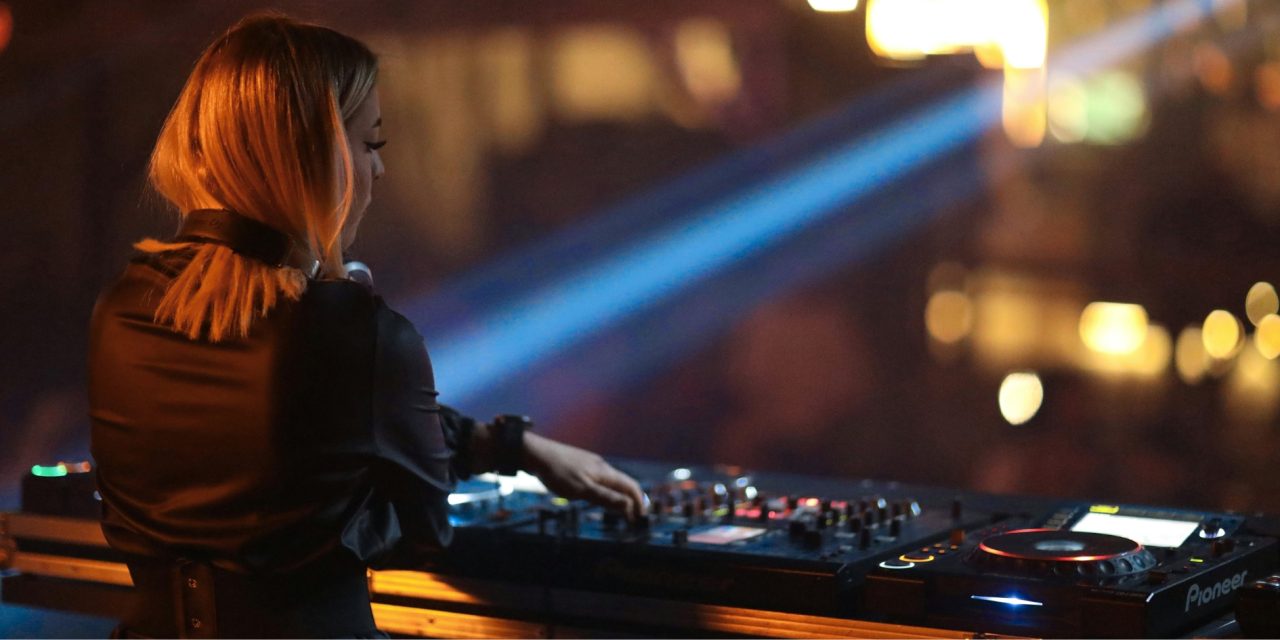
If you want to understand where soulful EDM is headed, watch who the next generation is watching.
More and more, that influence traces back to women who aren’t just featuring on tracks — they’re shaping them. They’re refining the emotional tone of the genre, expanding its harmonic depth, and proving that a dancefloor can hold vulnerability without losing momentum. (Yes, you can cry and still two-step. It’s called range.)
But the real shift isn’t just in the sound — it’s in the signal.
When young producers see women commanding stages, crafting immersive productions, and steering creative direction, it changes what feels possible. When aspiring vocalists hear emotionally layered toplines driving electronic records, it reframes what dance music can be. The message is subtle but powerful: you don’t have to flatten yourself to fit the genre.
Expanding the Sonic Blueprint
Where soulful EDM once prioritized soaring hooks and cathartic climaxes, many female artists and collaborators are recalibrating the balance between power and vulnerability.
Artists like TSHA weave reflective lyricism into groove-driven frameworks, allowing emotional storytelling to guide arrangement choices. Similarly, LP Giobbi integrates harmonic richness and live musicality into house structures, broadening what electronic composition can sound like.
Instead of building solely toward explosive drops, these creators often experiment with softer breakdowns, textured harmonies, and dynamic restraint. Space becomes part of the arrangement. Silence becomes tension. Vocals are not decorative—they are central.
This shift prevents soulful EDM from becoming formulaic. It challenges producers to think beyond structure and consider atmosphere, pacing, and emotional continuity.
And that sonic shift carries influence.
From Sound Shift to Cultural Ripple
When the sound evolves, the culture follows.
As women take visible roles in crafting emotionally layered electronic music, they demonstrate that innovation in EDM is not limited to production tricks or louder mixes. It can emerge from storytelling, vulnerability, and refined musicality.
Artists such as Aluna and HAYLA exemplify how expressive toplines and controlled vocal intensity can redefine the emotional ceiling of a track. Their work signals to younger producers and vocalists that soulful EDM has room for nuance.
Representation here operates through sound. When emerging artists hear emotionally intelligent dance records succeeding on major stages, they understand that authenticity and technical innovation can coexist.
That realization fuels the next generation.
Inspiring the Next Wave Through Innovation
Young producers entering the scene today are building within a genre already reshaped by layered storytelling and harmonic experimentation. The blueprint they inherit is wider than before.
Because women have expanded the emotional range of soulful EDM, new artists are not confined to a single formula. They are encouraged to experiment, to prioritize narrative, and to treat vulnerability as strength rather than softness.
This ripple effect ensures the genre continues to diversify rather than stagnate.
Conclusion
Women in soulful EDM are not simply visible—they are architecting the genre’s next phase. By deepening emotional texture, refining arrangement structures, and elevating vocal storytelling, they are redefining what electronic music can express. And in doing so, they are inspiring a generation that will push the sound even further.
To every woman shaping soulful EDM — on stage, in the studio, or behind the boards — your impact reaches further than you think. And to those watching from the crowd, learning and dreaming: keep going.Stay with DLK Soulful EDM as we amplify the artists redefining the genre!
